


adicionar à lista de desejos

Sibelius: Kullervo - CD Music
label:
BIS, October of 2020 ‧
see product details
24,39€
10% OFF
CARD
WXpab1JuQkZXR2xTVTAxQmVsWlJUVllyZFVrclQwVlpjR2N6Um5ZM1NHdEtjSEpHWTNseFpqbExWRGQwWlZOUU1rcG9UbVl3ZGxjMFducGFiRXROUzFsR01WUTNiSGxRYWs5R05ETXdTMUZNZWpnMk1GbzNkbEp1YURaNmFsWllSMkkwVFVkeVdEUlpZbmQwSzFWamVDczNZWHBIZDFaaGNqQkhNblZaUmtrMFFYaEJjbUpCVTB4TlYyOTNaSFp2VEc5amVuUTBLMElyU21ORk5tOTBlbU5DWjJ4alkzUTVLMFJ1ZWs5b1ZFTkVXbnBaVEZvd2JHWm5XVWM1Vm1kRE4zZG5SbHBxYm1WT1dIZE1VSGh4T0dFeVNtaHFZbE53TnpoTmIzaG9NRTk0Um14RWRqTm1hR2RhVTNGalJ6Sk5XWE5CYm1OQ1oyTkRZa1ZPVm1GaU5uVnJlSFJvV1VkUk5taHNTVkp5Wm5WWU1IQTFSVmRVUWk5UlpuVjBjMDVNV1RFNVNIRTJjakpxY1RJM2FtUTViMDlMVWs1dlRHWlVja3B1TlVab2NuazBaVmMxUjJVeFprMVdlWHBQYlRKeGVsazNNVk0wTXpKUVVHeFZNR2hZSzBKTWJVRTFTWHA2TjBzck16Y3pRVU5zTDJWbVowMUpXVFJJVURJeVNHUk1aM1JuTUZOa2Mxb3JiV054UVZaS1ExQndTSHBsVlZZMFZsbFdTVnBKYVZCb1pISjRlV3BpTkRNNFlVUkliVTkwUzFacWNrWktUWE5UZDJSaVV6UndRbFJZTjJkSFdFZEhPV3R1Y0RKVVpqaG1iWHA1VjJWNFExTmtaM0YxUm1rM2RtVmFZME0wUkVoclREVTNkazlQV2xKS1lrbE5SeXRKTkdsbVpFNVZXV2REVDJKc2RrdERVbk5wTDBGdWNUSTFkR2cxT1VwMGEzWXhjVTUwU2pobE1FVmFla2hRUWxoeWRHVnNielJtUkRoeE0xWTNZbEp2YzJ4V00yTlFSR1ZwU0dOb1dXWldSSGxMYmpSdWNESTBWblE1ZURodVNUUlNZMUJvZFdWWFZtVm9ZbGhqZGpCdlNFNUJiazFRZEdObFRGcHVWRFJMVW5kYVpGRkNSWE54UW1scVMxZzBNVEI1Vm5kaFlXUmFTWGxoYldNNFoxcElVMkZHZDFGVk1YRXdZVGxFVFhaSWFpdDRXRE4zWkVSelZESjVWR3MxWjJGb2FGQlBZbGhzTDNCYVJHdDBjaXRNVkZsd1YxSkNVa2RRVkZJd1J6STFOMjlsUW5BclozZEtUR3hFU25Bd01GcHJNa0pVV0RSSU1ERnNhV2wzWW1kV1Myc3pTVzVYZW14aDpiUndNVXNFZk1NNkpiUlR6K0tkYXVRPT0=
free shipping
ARTICLE DESCRIPTION
ALIGNMENT
Disco 1
01 - Introduction
02 - Kullervo's Youth
03 - Kullervo and His Sister
04 - Kullervo Goes to War
05 - Kullervo's Death
DETAILS
| Property | Description |
|---|---|
| label: | BIS |
| Release Date: | October of 2020 |
| Dimensions: | 125 x 140 x 8 mm |
| Format: | Music |
| Categories: |
Classic
>
20th century
|
| EAN: | 7318599922362 |
| Duration (m): | 80.00 |
| Number of disks: | 1 |
| Format: | SACD |
ABOUT THE ARTIST
Jean Sibelius
Jean Sibelius was one of Finland's greatest composers and a central figure in the music of the late nineteenth and early twentieth centuries. Born on December 8, 1865 in Hämeenlinna, Finland, and died on September 20, 1957 in Järvenpää, Sibelius is widely recognized for his contribution to symphonic music and the crucial role he played in shaping Finnish national identity.
Sibelius began his musical training in his homeland before continuing his studies in Helsinki, Berlin and Vienna. Although he began his career with the goal of becoming a violinist, he quickly turned to composition. His works often draw inspiration from Finnish nature, Norse mythology, and folklore, themes that helped define the Finnish nationalist musical style.
Among his best-known works are his seven symphonies, which are considered milestones of orchestral music. Symphony No. 2 in D major and Symphony No. 5 in E-flat major are particularly acclaimed and widely performed. Sibelius is also famous for the symphonic poem Finland (1899), which became a symbol of resistance against Russian oppression and an emblem of the Finnish independence movement.
In addition to the symphonies, Sibelius composed several other symphonic poems, such as Tapiola (1926), which depicts the mystical forest inhabited by the forest god of Finnish mythology, and En Saga (1892), an orchestral piece that exemplifies his skill in creating evocative soundscapes.
Sibelius' music is characterized by a clear formal structure, a deep connection with nature, and a unique ability to create musical atmospheres that capture the essence of his country. Although he stopped composing in the 1920s, his influence and legacy endure, and he is widely celebrated as one of the greatest composers of classical music of the twentieth century.
BY THE SAME ARTIST
-
Sibelius Complete Symphonies - CD10%Musical Concepts Group21,27€ 10% CARDfree shipping
-
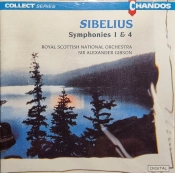
Symphonies 1 & 4 - CD10%Chandos12,76€ 10% CARD