

adicionar à lista de desejos
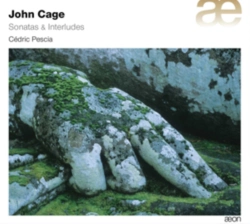
John Cage: Sonatas & Interludes - CD Music
label:
Aeon, June of 2012 ‧
see product details
26,50€
10% OFF
CARD
VXpRNFV6QTJiVWRIUVcwd2RrSlVNVmhqWlVoYVlXUklVMUpCTW1WamF6Rk1ObTRyYUVKdllsRndORXRJZG5aM1NUSkVhalJLTnpOTllYQlNjMDlQYmsxek1rRXhaVXhIYms1dVEwNTZjSGRIVkdSMFVtbFhVbGRvY21wclVpc3plbk5zYVc5d1FtMHhLMFZ6UkV0RWQyMUdWbkppYTNkbFZrcElWREV4Y0ZoTWVEUnhkWGhaZWt4aVNqSm9aRkI2WkV4NGJIWTJPRTFHVEVKeWVHaHlNamgxYnpKelVVOHJNa0l6WTNack4zUTNObTFPV0ZoWUsxQnNVRWQxWlRKclVEZHBNWFZqYms5TFMwRmpWeko0TUZsWlRVczRRelZ0U2toWGNUSkVVbkJLWXk5eFNYcGtUVXhOUmpnd0t6QjRaVVZDWkhGWlEybDFiVEUzWTJaM01FOUtLM1psTDBGWk9YaGpVbXBOWjNZMGQzZEZTRU5hWTNocVEwVkZiMlJrVDIxdmFXNDVlRm92UnpoQlRFOWpkMEl3S3pRMFdYUktUbkJTUnpkYUwxaFRUbFpHV25oNVJVaDBUbE5rV21WSU5VUmxTalY0YWxwSlNrUnpSM2x4Vm5rek5IaFRWRGhFUVVKUlRWcHNSVE54T0hwNVRVMVBOVzV6U25adE1saE9WMU5pVEZoT09YUmtPSGhHT0ZwQmVFVktWREZUV2k5a2NqQkpjemhJY1hKT2FERkNlR1JCT0VoTU5sRndXWE00TUVoNE56VjJWamh4V0d0cVoweExZbFI1UVU0MlNrWjFWMUJVTjNsTGJGVmtVRFZqYlhBNWRtWjBVakp6Y0d0dVVWRXZaSG81ZVc0eFdsZHFNM2N2ZEdndlZIRk9hMUYwWWpJcmIyTmpjMnBVWjAxdVIwMVhSVlZ0VlhwSVdWUjVkVzFqUkUweWRXbFhiRWxXYlV0UmFXZG5kMjlqVEdoQk1WZE5NMHRSWVU5MlpVUjZTRGN2YlhoUlJraEhXR1p1VVhsckwwWjRWbVV6Tm1wdmJUUlpkbXRrVEZad01HSmtha0ZMTDBJeWRVaE1hV0ZuVFcxVloySXhUR3BvYldOWlYySnFiMjVTTUdjd1ZUZzBWMlp4ZVZwdFIweFZNSHB5YW5ObWQzTlNXVzQxV0hocFRDdHBiamxpZWpCck9FZFdNME50UkhsVGMyVmhNMGRQTTJkdFNtOWxVVlkwWjBJMlpFUmxORk5wV1ZScVExQldVRkIwTUM4NGRXaHVWalZRUTNSNk1WRTJSRTlFTWpaWVZWUkpSR1ZUVFhSbU9YbFFhV0Y1VG5FclJFbEhiR014TmxSRWNXeDJhV0U0YWxWTDprOHYwTFJuM1o1dVJLRlVGS0VHQ3J3PT0=
free shipping
ARTICLE DESCRIPTION
ALIGNMENT
Disco 1
01 - Sonata I
02 - Sonata II
03 - Sonata III
04 - Sonata IV
05 - First Interlude
06 - Sonata V
07 - Sonata VI
08 - Sonata VII
09 - Sonata VIII
10 - Second Interlude
11 - Third Interlude
12 - Sonata IX
13 - Sonata X
14 - Sonata XI
15 - Sonata XII
16 - Fourth Interlude
17 - Sonata XIII
18 - Sonata XIV (Gemini)
19 - Sonata XV (Gemini)
20 - Sonata XVI
DETAILS
| Property | Description |
|---|---|
| label: | Aeon |
| Release Date: | June of 2012 |
| Dimensions: | 125 x 140 x 8 mm |
| Format: | Music |
| Categories: |
Classic
>
Instrumental
|
| EAN: | 3760058360279 |
| Duration (m): | 64.00 |
| Number of disks: | 1 |
| Format: | CD / Album |
ABOUT THE ARTIST
John Cage
John Cage was an American composer and music theorist, born September 5, 1912 in Los Angeles, California, and died on August 12, 1992 in New York City. He is widely regarded as one of the most influential composers of the twentieth century, known for his radical innovations in music and for his philosophical and aesthetic explorations. Cage is perhaps most famous for his piece 4'33'' (1952), a composition in three movements where the musicians play no note; instead, the ambient sounds that occur during the four minutes and thirty-three seconds are the "music."
John Cage was a central figure in the avant-garde movement, and his work challenged traditional notions of music and sound. He pioneered the use of techniques such as randomness and indeterminacy in musical composition, influenced by Zen Buddhism and the ideas of philosophers such as Daisetz Teitaro Suzuki and Henry David Thoreau. Cage believed that any sound could be music, and he often used everyday objects as musical instruments, including radios, shells, and even plants.
In addition to 4'33'', Cage's other important works include Sonatas and Interludes (1946-1948) for prepared piano, a technique that involves placing objects between the strings of the piano to alter its sound, and Music of Changes (1951), a piano piece composed using random procedures based on the I Ching, an ancient Chinese text.
Cage also had a significant impact on modern dance through his collaboration with choreographer Merce Cunningham, with whom he worked for much of his life. Together, they explored the independence of music and dance, allowing each to exist autonomously, but still in harmony.
John Cage's work and ideas continue to influence musicians, visual artists, and theorists, and he is considered one of the great innovators of music and the arts in the twentieth century.
BY THE SAME ARTIST
-
imagem não disponívelJohn Cage: Music for Percussion Quartet - CDJohn Cage: Music for Percussion Quartet - CD10%Col Legno24,39€ 10% CARDfree shipping
-
Variations IV - Vinil10%Modern Harmonic34,04€ 10% CARDfree shipping