



adicionar à lista de desejos
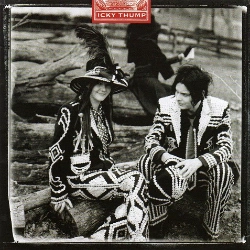
Icky Thump - CD Music
label:
Sonic Records, January of 2007 ‧
see product details
3,90€
10% OFF
CARD
YjBnM2JsZDZiVFpLTmpGNWJHY3dUemxVZWs5bmVscFpXWE5vVDFJNVNUTmtZM0owUkVOTUswYzVjbXR3TjJsTFdXNVBWMkZaWWxwdE1FTm5ORWxVYVVKMVFqbHhSMUp0ZFdwbVdEQTVValpEWkdVckx6TmpUMGR0UjNaRVYxSllSRk5GYkhkNU0wcHdSbXh1TlhGck9FVkRZbWRzVVVSaGEyRmlaVVZQYzNwSWJ6WnNTMEUwTDFreGJGZ3haRU53ZUc5WVRrUTVWa2t4ZWpWaWFUWnhSRXM0ZDNWdmFHUjBZbXRIUWlzMFdIZDBOalI2YXpScEswNVNVMWhrUmt4SWRrTldVM05hY1ZsU1lVWlFZbGx6Vm01cFRucExZVTltSzJ0blRYWlFOV2h2SzB0SlFYVk9TVkpFYkU1WVoxSlRORmsxTDFoSlNYVnNVRFE0YXpVMVRtaDRVamRKTlZkNFJ6WnNkVlYyUjFGcU0xUXhRblJUVlVsak9FaHdUbXd2VlVoMFNHOURUa28xVkV4a1FXSnJZMVo1V1ZaQmVreGxkREJKTVZKM1V5dFNkalJ6VDBGWldVaHBlVGN6Y1hSa1MwaHhXU3N4TVhaeWRWRjVUMkZuTW5wMGVVdFJZbmRsVkZRelNXMVNXRlp5TTI4cldsb3hOV1JFZFRaYVlVVkxTVFY2WnpWU0swZ3ZSa0l4UkdabGVIWjFWVkZTTURWTlVraFFlRkZ6V1ZaMFdUUjBVbkZLTUZSRU1rZFZialYwY0dsWU4zTXlTa1JwYzAxaFNqQkNMM2xSWWt4d1QySTFlVnAyVFRsblZrdDNTemRCYlN0NFIyUlBNRTFITTBaUllVUm1lRWxEVFZOTVkwaGhaMFpYVG05d1YyaHJNbGhFTTBKaGNpOVZZVXg2ZGl0UlFVSjJjV3RuVlhkRGFEUnZkbFJ6TTJSWGRFWnVhMnd2UmtGVmRTOTRNVVIxUkVSbU5YcG1lak5MVFV0emJscFdaVnBsUmpaV2NVZ3dPSE5UZFZOaloyNDVTV3hzZVZkV1NIZDBhMnhCTVVNdlFYVjBMM1Y2Tmt0SVUzQlZVMEZ4UkdsS2RraEtWRWwzZFhkWGJFVXlZMUZ6U2s1cFVEQnpNVlYzU1RVM1R6QjFLMGcyTTJ4RGQwbFJVVVo1ZUVjMk5qZDFhVlpWTHpSNGFYbHhWR3RCUW1oTVFXeFpNMGRtVmxnNGVYZ3hRbXMyWjA1NmJtWk9lSEF6UlRsNFFVbFJiWFpIVVZweU16VTFZbTVCUjNwUE5teEZSa1pMTjNFMmFGUkxTRlkyVm1vcmVVTnVZbmRrVFZWNVVWUk9jR0owVURaUlUxZ3djSGw2YTIxdjpFV2NWdDMrdVdlcG1xMjNDV2E0Vi9nPT0=
ARTICLE DESCRIPTION
ALIGNMENT
Disco 1
01 - Icky Thump
02 - You Don't Know What Love Is (You Just Do As You're Told)
03 - 300 M.P.H. Torrential Outpour Blues
04 - Conquest
05 - Bone Broke
06 - Prickly Thorn, But Sweetly Worn
07 - St. Andrew (This Battle Is In The Air)
08 - Little Cream Soda
09 - Rag And Bone
10 - I'm Slowly Turning Into You
11 - A Martyr For My Love For You
12 - Catch Hell Blues
13 - Effect And Cause
DETAILS
| Property | Description |
|---|---|
| label: | Sonic Records |
| Release Date: | January of 2007 |
| Dimensions: | 141 x 125 x 9 mm |
| Format: | Music |
| Categories: |
Jazz/Blues
>
Blues Rock
|
| EAN: | 5901844921429 |
| Duration (m): | 48 |
| Number of disks: | 1 |
| Format: | CD / Album |
ABOUT THE ARTIST
The White Stripes
The White Stripes were one of the most iconic and influential bands of the early 21st century, known for their minimalist approach to rock, which combined elements of garage rock, blues, punk, and folk. Formed in 1997 in Detroit, Michigan, the band consisted of only two members: Jack White (vocalist, guitarist, and main songwriter) and Meg White (drummer). The simplicity of the lineup, consisting of guitar and drums, along with the use of a visually distinct color palette (black, white, and red), made The White Stripes one of the most recognizable and innovative bands of their time.
The White Stripes began to gain notoriety in the Detroit underground scene with the release of their self-titled debut album, The White Stripes (1999). The album was well-received by critics, who praised its rawness and energy, but it did not yet achieve great commercial success. The band's music was marked by simple yet powerful guitar riffs and Meg White's primitive and minimalist drumming, which, combined with Jack White's expressive vocals, created a unique and authentic sound.
The band's second album, De Stijl (2000), continued to explore the raw and minimalist sound, but with a greater influence from blues and folk. The album was named after the Dutch De Stijl art movement and showcased Jack White's ability to blend different musical influences with his own style.
True success came with the release of White Blood Cells in 2001. The album was widely acclaimed by critics and included some of the band's first major hits, such as "Fell in Love with a Girl" and "Dead Leaves and the Dirty Ground." "Fell in Love with a Girl" became especially known for its groundbreaking music video, directed by Michel Gondry, which used stop-motion animation with Lego bricks. White Blood Cells helped put The White Stripes on the international map and marked the beginning of the band's rise to stardom.
In 2003, The White Stripes released Elephant, an album widely considered the high point of the band's career. Elephant was recorded in London using analog equipment and included the band's biggest hit, "Seven Nation Army." The song, with its unmistakable guitar riff (often mistaken for a bass line), became a global anthem, widely used at sporting events and cultural demonstrations. Elephant was a commercial and critical success, winning the Grammy Award for Best Alternative Music Album in 2004. The album cemented The White Stripes as one of the most important rock bands of their generation.
The subsequent albums, Get Behind Me Satan (2005) and Icky Thump (2007), continued to showcase the band's evolution. Get Behind Me Satan saw the band experimenting with instruments such as the piano and marimba, while Icky Thump brought back a heavier, classic rock sound, incorporating elements of traditional Scottish music. The title track "Icky Thump" was another big hit for the band and earned them another Grammy for Best Rock Performance by a Duo or Group.
Throughout their career, The White Stripes were known not only for their music but also for their unique visual aesthetic. The band maintained a strict color scheme (black, white, and red) and avoided many of the typical tricks of the music industry, such as overly produced music videos or predictable setlists at concerts. The simplicity of their sound was complemented by the simplicity of their image, which helped create a strong and easily recognizable identity.
In February 2011, The White Stripes officially announced their separation, stating that it was not due to artistic differences or health problems, but rather to preserve what the band represented. After the separation, Jack White continued his musical career as a solo artist and prolific collaborator, as well as working as a producer and founder of Third Man Records, an independent record label and record store.
Although The White Stripes had a relatively short career, the band's impact on rock music was profound. They helped revive interest in garage rock and influenced a generation of bands that came after. Songs like "Seven Nation Army" remain iconic, and the band's legacy remains strong, both for their music and their visual aesthetic. The White Stripes are remembered as one of the most innovative and authentic bands of their time, and their work continues to be celebrated by fans and critics worldwide.
BY THE SAME ARTIST
-
Icky Thump - CD10%Sony Music CMG4,48€ 10% CARD
-
Get Behind Me Satan - CD10%Sony Music CMG4,48€ 10% CARD