


adicionar à lista de desejos
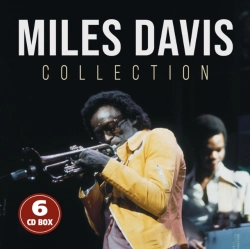
Collection - CD Music
label:
Laser Media, November of 2024 ‧
see product details
27,97€
10% OFF
CARD
Y2tZNVYyYzJlRmx2Um5jMGNUQkJlVUp5VUVjeWRuRk1haTk0YW04MFoxbHZVSE5xVFVoMFdubHVaREEzT0hobFNsZFRiVEpoV0dSWVFuUk5NalkwUWtZME56RnRRMVpsV0RWR2RtaDRNa0ZZU2s5dk5HdDJhWE01UW1zdk1GUjVRa012VXpGb09YbHRObnBuWkZKU1lqRkZVM0JqVXpod1ExbFlhVTF4UlhnMk1YbE5VblYyYWpGRlMxbEpOMHA2U1hKaVZHRTRLMFJWZVdKT1UyTTROSG94ZEcxRWF5OWlTMEpwYTBsbmRHMUllaXN2UlRjMFMyWnRWbmxJTUVWeVJVMHpOMVJVUm01bVZtTXhjbWRSUmpoT2JIaHhVMnBXZEhGS1NGRmhkMVJLT1hBMk4yWkpNRXRIV1RocGJrWjBkR2x6UVhJMEt6bE5PR2hyWjFCdlkwSTRlVGxOTldkUFlYaFVTRU4xZEV4RFpuTkZhVEkyVmtnMWJuaHpSM2hRU1hZNFVUVkRaR3MzUmk5NWJXeFNPR1paVVVJeFQwcFdVMlpWWm0xUmVWSkJaRmx0Y1d4Q1R6WXlLMVZDZWtWRVEzRk9VM2REV1RoUGNTdE1NVVkwUlhGSVEwRklTV2hTVEVscE9XZHRkakpCTm5OM1dteGpOR2RpVDFkQ05rNUVORlZ0Wnk5emFrbHBXRTVWU1VVNFlVWnFSVGR6UTNWaVZsUmpWR3A2YlRsdFVWZHpSRU5qUjNFMGVVcFlXRmhTZGxacE1FWmhlbXhoVkhndk9EaE9jelI1TmxoaFprZExhalZqZUZSeGRFNU5ORXcxUmpaUloxaDJjMGRyTjNoRlVsbFJNWEJyZFhabE0wUkNkMGxVVVROMk1rcFhNRGxFT1ZadmVIUjRXVEJRV1ZOTGQzVndTVTF4TTJwWlMwWlNVVE41T1Rsc2N6aG5iMFYzUkhKTlRVSXdMM1F3ZHpsV09WaEJWamxXUTBGRVluZGpkekJrVFVWSFVYVldWVWczTVZKMU5EUlVTVFprUkRscFFYRm9UMWh3VDNKa1VYTlZNMGhxU2tWRGVGWk5lRWQ2WVVveWFscFdTelEzVWxneGQxWk9WbXBDTnpsTU9VZGtNRkZSVEhoMldsVjJjazB2ZGpKWllTOU9OV2RZVEN0NlpYazRWbGc1TDIxM1NYQlRZWGhJVVZGc01HSXZUSGRCUmk4eFpFODVkaTh3TVc5MUwwUlphVFlyU0RSSldIaDJVM05qWld0TGJIVkJkMFJaYzI4MmJuWm5jVFl3UWxrMFp6WlRTV3QzYVZBeWNtNXhaMmxrY0daNlptOUROMDE1T1RoVEt5dGxlbk5VYlRWUDpuUW80SitQTjJLaXJ4dXNlOFlKWGx3PT0=
free shipping
ARTICLE DESCRIPTION
ALIGNMENT
Disco 1
01 - Opening Medley
02 - Star People
03 - Maze
04 - Human Nature
05 - MD One/Something On Your Mind/MD Two
06 - Time After Time
07 - Ms. Morrisine
Disco 2
01 - Code MD
02 - Pacific Express
03 - Burn
04 - Stronger Than Before
05 - Hopscotch
06 - Rubberband
07 - Broken Wings
Disco 3
01 - Directions
02 - This
03 - 'Round Midnight
04 - I Fall in Love Too Easily
05 - Masqualero
06 - Bitches Brew
07 - Miles Runs the Voodoo Down
08 - Agitation
09 - I Fall in Love Too Easily
10 - Sanctuary/The Theme
Disco 4
01 - Directions
02 - Miles Runs the Voodoo Down
03 - Willie Nelson
04 - I Fall in Love Too Easily
05 - Sanctuary
06 - It's About That Time
07 - Bitches Brew
08 - Masqualero
09 - Spanish Key/The Theme
Disco 5
01 - He Loved Him Madly
02 - Maiysha
04 - Rated X
05 - Calypso Frelimo
06 - Red China Blues
07 - Mtume
03 - Honky Tonk
08 - Billy Preston
Disco 6
01 - Footprints
02 - 'Round Midnight
03 - No Blues
04 - On Green Dolphin Street
05 - Riot
06 - Speak
07 - New Blues
08 - Something On Your Mind
09 - Time After Time
10 - Hopscotch
11 - Miles Davis Interview
DETAILS
| Property | Description |
|---|---|
| label: | Laser Media |
| Release Date: | November of 2024 |
| Dimensions: | 125 x 140 x 8 mm |
| Format: | Music |
| Categories: |
Jazz/Blues
>
Jazz
|
| EAN: | 4262428982450 |
| Number of disks: | 6 |
| Format: | CD / Box Set |
ABOUT THE ARTIST
Miles Davis
Miles Davis, one of the most iconic and innovative musicians in jazz history, was born on May 26, 1926 in Alton, Illinois, USA. Known for his ability to reinvent jazz over several decades, Davis has had a career that spanned over 50 years, during which he explored and developed various musical styles, including bebop, cool jazz, hard bop, modal jazz, and jazz fusion.
Davis began playing the trumpet at an early age and, after moving to New York City in 1944, studied at the Juilliard School of Music. However, it was his association with saxophonist Charlie Parker that really launched his career. During the late 1940s, Davis played with Parker and became a key figure in the bebop revolution.
In the late 1940s and early 1950s, Davis began to develop cool jazz, a softer, more relaxed style that contrasted with the intensity of bebop. This period culminated in the album "Birth of the Cool" (1957), a compilation of recordings made between 1949 and 1950. The album is considered a milestone in the development of cool jazz and helped establish Davis as one of jazz's innovators.
The 1950s saw Davis exploring hard bop and jazz. In 1959, he released "Kind of Blue," one of the most influential and acclaimed albums in jazz history. With a stellar lineup that included John Coltrane, Bill Evans, and Cannonball Adderley, "Kind of Blue" stood out for its modal approach and free improvisation, becoming one of the best-selling jazz albums of all time.
During the 1960s, Davis continued to innovate, leading one of his most famous quintets, which included musicians such as Herbie Hancock, Wayne Shorter, Ron Carter, and Tony Williams. This period was marked by albums such as "E.S.P." (1965), "Miles Smiles" (1967) and "Filles de Kilimanjaro" (1968), which explored new harmonic and rhythmic directions.
In the late 1960s and early 1970s, Davis began experimenting with the fusion of jazz and rock, creating a new subgenre known as jazz fusion. The album "Bitches Brew" (1970) was a turning point, combining elements of jazz, rock and electronic music. This groundbreaking album challenged the conventions of traditional jazz and opened up new possibilities for improvisational music.
During the 1970s, Davis continued to explore jazz fusion with albums such as "On the Corner" (1972) and "Get Up with It" (1974). However, due to health and personal problems, he temporarily retired from music at the end of the decade.
Miles Davis made a triumphant return in the early 1980s, continuing to record and perform until his death in 1991. During this period, he explored new sounds and collaborated with a new generation of musicians. Albums such as "The Man with the Horn" (1981), "Tutu" (1986) and "Amandla" (1989) showed his continuous capacity for innovation.
In addition to his musical contribution, Miles Davis was an important cultural figure, known for his distinctive personal style and his influence on fashion and art. His ability to reinvent himself and challenge convention made him a true pioneer and visionary.
Miles Davis left a lasting legacy in music, being remembered as one of the greatest trumpeters and composers of all time. His ability to transform and evolve jazz secures his place as one of the most important and influential figures in the history of music.
BY THE SAME ARTIST
-
Simply Miles Davis - CD10%Union Square Music3,90€ 10% CARD
-
In a Silent Way - CD10%Sony Music Entertainment11,53€ 10% CARD