


adicionar à lista de desejos
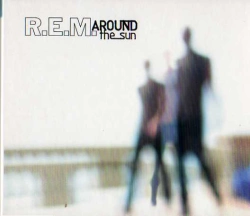
Around The Sun - CD Music
label:
Warner Bros. Records, January of 2005 ‧
see product details
OUT OF STOCK OR NOT AVAILABLE
ARTICLE DESCRIPTION
ALIGNMENT
Around The Sun
CD
01 - Leaving New York
02 - Electron Blue
03 - The Outsiders
04 - Make It All Okay
05 - Final Straw
06 - I Wanted To Be Wrong
07 - Wanderlust
08 - Boy In The Well
09 - Aftermath
10 - High Speed Train
11 - The Worst Joke Ever
12 - The Ascent Of Man
13 - Around The Sun
Around The Sun In 5.1 Surround Sound And Stereo (Audio)
DVD
1.1 - Leaving New York
1.2 - Electron Blue
1.3 - The Outsiders
1.4 - Make It All Okay
1.5 - Final Straw
1.6 - I Wanted To Be Wrong
1.7 - Wanderlust
1.8 - Boy In The Well
1.9 - Aftermath
1.10 - High Speed Train
1.11 - The Worst Joke Ever
1.12 - The Ascent Of Man
1.13 - Around The Sun
Music Videos
2.1 - Leaving New York (Music Video)
2.2 - Aftermath (Music Video)
Live At St. James Church (Video)
3.1 - Leaving New York
3.2 - Imitation Of Life
-
04 - Video Documentary
05 - Lyrics & Photo Gallery
2 Song Preview From "Perfect Square" DVD (Video)
6.1 - She Just Wants To Be
6.1 - Walk Unafraid
DETAILS
| Property | Description |
|---|---|
| label: | Warner Bros. Records |
| Release Date: | January of 2005 |
| Dimensions: | 125 x 140 x 8 mm |
| Format: | Music |
| Categories: |
Alternative/Indie
>
Indie
|
| EAN: | 0093624931522 |
| Duration (m): | 143 |
| Number of disks: | 2 |
| Format: | CD / Album |
ABOUT THE ARTIST
R.E.M.
R.E.M. was an American alternative rock band formed in 1980 in Athens, Georgia. Composed of Michael Stipe (vocals), Peter Buck (guitar), Mike Mills (bass and keyboards) and Bill Berry (drums), the band is widely recognized as one of the pioneers of alternative rock and played a key role in popularizing the genre during the 80s and 90s. R.E.M.'s music is known for its cryptic lyrics, Stipe's distinctive voice, and combination of elements of jangle pop, folk, and rock.
R.E.M. began to gain notoriety in the underground scene with the release of their first single, "Radio Free Europe", in 1981, followed by the EP Chronic Town (1982). Their debut album, Murmur (1983), was critically acclaimed and stood out for its fresh and innovative sound, with songs such as "Radio Free Europe" and "Talk About the Passion" exemplifying the band's unique style, marked by bright guitars and engaging melodies. Murmur was voted Album of the Year by Rolling Stone magazine, surpassing albums by more established artists at the time.
Over the next few years, R.E.M. continued to release albums that cemented their reputation as one of the most important bands in alternative rock. Albums such as Reckoning (1984) and Fables of the Reconstruction (1985) showed the band's ability to evolve their sound while maintaining an accessible and introspective sensibility. Michael Stipe's lyrics, often poetic and ambiguous, added a layer of mystery to the band's songs, while Peter Buck's guitar brought a signature sound that would become a trademark of jangle pop.
The band's real commercial breakthrough came with the release of Document (1987), which included the hit "The One I Love", one of the band's first songs to reach the top 10 in the United States. This album marked the beginning of a transition to a more accessible sound, without sacrificing the artistic integrity that made R.E.M. such a respected band.
In 1991, R.E.M. released Out of Time, the album that catapulted the band to global stardom. The album included the hit "Losing My Religion", a song that became one of the band's biggest hits and is still an alternative rock anthem today. Out of Time also featured other popular tracks such as "Shiny Happy People" and "Near Wild Heaven". This album won three Grammy Awards and helped the band reach a new level of commercial and critical success.
The band's next album, Automatic for the People (1992), is widely considered one of the band's best works and one of the most important albums of the 1990s. With a more introspective and dark tone, the album addressed themes of mortality, loss and nostalgia, with songs such as "Everybody Hurts", "Man on the Moon" and "Nightswimming" standing out. Automatic for the People was a critical and sales success, solidifying R.E.M.'s status as one of the most important bands of their generation.
In 1994, R.E.M. released Monster, an album that marked a significant change in the band's sound, with a more rock-oriented approach and guitar distortions. The album was buoyed by the success of singles such as "What's the Frequency, Kenneth?" and "Bang and Blame", and was followed by an extensive world tour.
In the late 1990s, following the departure of drummer Bill Berry in 1997, R.E.M. continued as a trio and released several albums, including Up (1998), Reveal (2001) and Around the Sun (2004). While these albums received mixed reviews, the band maintained a dedicated fanbase and continued to be an influential presence in alternative music.
In 2008, R.E.M. released Accelerate, an album that was seen as a return to their rocker roots, and in 2011, they released Collapse into Now, which was well received by critics and fans alike, showing that the band still had the ability to create relevant and powerful music.
After a 31-year career, R.E.M. announced their breakup in September 2011, stating that it was the right time to end the band. His farewell was greeted with respect and recognition for the legacy they left in music. With a discography that includes some of the most influential and iconic albums in alternative rock, R.E.M. is widely considered one of the most important bands in modern music.
R.E.M.'s legacy continues to influence generations of musicians, and his songs remain relevant, touching fans both old and new. The band is remembered not only for their music, but also for their artistic integrity and the cultural impact they have had over more than three decades of career.
BY THE SAME ARTIST
-
Automatic For The People - Vinil10%Craft Recordings44,81€ 10% CARDfree shipping
-
Monster - CD10%Concord Bicycle Music5,83€ 10% CARD