





adicionar à lista de desejos
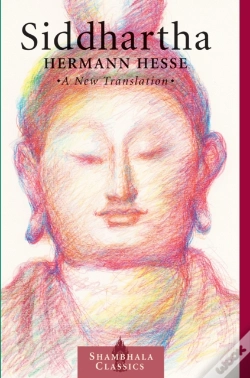
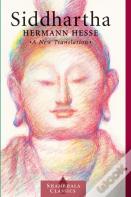
Siddhartha
language: english
Publisher:
SHAMBHALA PUBLICATIONS INC, September of 2000 ‧
see product details
OUT OF STOCK OR NOT AVAILABLE
Sell your book
DETeBook com proteção para wookreaderILS
| Property | Description |
|---|---|
| ISBN: | 9781570627217 |
| Publisher: | SHAMBHALA PUBLICATIONS INC |
| Release Date: | September of 2000 |
| Language: | English |
| Dimensions: | 153 x 229 x 12 mm |
| Cover: | Softcover |
| Pages: | 144 |
| Format: | Book |
| Collection: | Shambhala Classics S. |
| Categories: |
Books in English
>
Fiction
>
Fiction
Books in English > Others |
| EAN: | 9781570627217 |
ABOUT THE AUTHOR
Hermann Hesse
PRÉMIO NOBEL DA LITERATURA 1946
Romancista e poeta alemão, Hermann Hesse nasceu em 1877 na pequena cidade de Calw, na orla da Floresta Negra e no estado de Wüttenberg. Como os pais depositavam esperanças no facto de Hermann Hesse poder vir a seguir a tradição familiar em teologia, enviaram-no para o seminário protestante de Maulbronn, em 1891, mas acabou por ser expulso. Passando a uma escola secular, o jovem Hermann tornou a revelar inadaptação, pelo que abandonou os seus estudos.
Hermann Hesse começou depois a trabalhar, primeiro como aprendiz de relojoeiro, como empregado de balcão numa livraria, como mecânico, e depois como livreiro em Tübingen, onde se teria juntado a uma tertúlia literária, "Le Petit Cénacle", que teria, não só grandemente fomentado a voracidade de leitura em Hesse, como também determinado a sua vocação para a escrita. Assim, em 1899, Hermann Hesse publicou os seus primeiros trabalhos, Romantischer Lieder e Eine Stunde Hinter Mitternacht , volumes de poesia de juventude.
Depois da aparição de Peter Camenzind, em 1904, Hesse tornou-se escritor a tempo inteiro. Na obra, refletindo o ideal de Jean-Jacques Rousseau do regresso à Natureza, o protagonista resolve abandonar a grande cidade para viver como São Francisco de Assis. O livro obteve grande aceitação por parte do público.
Em 1911, e durante quatro meses, Hermann Hesse visitou a Índia, que o teria desiludido mas, em contrapartida, constituído uma motivação no estudo das religiões orientais. No ano seguinte, o escritor e a sua família assentaram arraiais na Suíça. Nesse período, não só a sua esposa começou a dar sinais de instabilidade mental, como um dos seus filhos adoeceu gravemente. No romance Rosshalde (1914), o autor explora a questão do casamento ser ou não conveniente para os artistas, fazendo, no fundo, uma introspeção dos seus problemas pessoais.
Durante a Primeira Guerra Mundial, Hesse demonstrou ser desfavorável ao militarismo e ao nacionalismo que se faziam sentir na altura e, da sua residência na Suíça, procurou defender os interesses e a melhoria das condições dos prisioneiros de guerra, o que lhe valeu ser considerado pelos seus compatriotas como traidor.
Finda a guerra, Hesse publicou o seu primeiro grande romance de sucesso, Demian (1919). A obra, de caráter faustiano, refletia o crescente interesse do escritor pela psicanálise de Carl Jung, e foi louvada por Thomas Mann. Assinada nas primeiras edições com o nome do seu narrador, Emil Sinclair, Hesse acabaria por confessar a sua autoria.
Deixando a sua família em 1919, Hermann Hesse mudou-se para o Sul da Suíça, para Montagnola, onde se dedicou à escrita de Siddharta (1922), romance largamente influenciado pelas culturas hindu e chinesa e que, recriando a fase inicial da vida de Buda, nos conta a vida de um filho de um Bramane que se revolta contra os ensinamentos e tradições do seu pai, até poder eventualmente encontrar a iluminação espiritual. A obra, traduzida para a língua inglesa nos anos 50, marcou definitivamente a geração Beat norte-americana.
1919 foi também o ano em que Hesse travou conhecimento com Ruth Wenger, filha da escritora suíça Lisa Wenger e bastante mais nova que o autor. O escritor renunciou à cidadania alemã, em 1923, optando pela suíça. Divorciando-se da sua primeira esposa, Maria Bernoulli, casou com Ruth Wenger em 1924, tendo o casamento durado apenas alguns meses. Dessa experiência teria resultado uma das suas obras mais importantes, Der Steppenwolf (1927). No romance, o protagonista Harry Haller confronta a sua crise de meia-idade com a escolha entre a vida da ação ou da contemplação, numa dualidade que acaba por caracterizar toda a estrutura da obra.
Em 1931 voltou a casar, desta feita com Ninon Doldin, de origem judaica. Com apenas quatorze anos, havia enviado, em 1909, uma carta a Hermann Hesse, e desde então a correspondência entre ambos não mais cessou. Conhecendo-se acidentalmente em 1926, foram viver juntos para a Casa Bodmer, estando Ninon separada do pintor B. F. Doldin, e a existência de Hesse ter-se-à tornado mais serena.
Durante o regime Nacional-Socialista, os livros de Hermann Hesse continuaram a ser publicados, tendo sido protegidos por uma circular secreta de Joseph Goebbels em 1937. Quando escreveu para o jornal pró-regime Frankfürter Zeitung, os refugiados judeus em França acusaram-no de apoiar os Nazis. Embora Hesse nunca se tivesse abertamente oposto ao regime Nacional-Socialista, procurou auxiliar os refugiados políticos. Em 1943 foi finalmente publicada a obra Das Glasperlernspiel, na qual Hesse tinha começado a trabalhar em 1931. Tendo enviado o manuscrito, em 1942, para Berlim, foi-lhe recusada a edição e o autor foi colocado na Lista Negra Nacional-Socialista. Não obstante, a obra valer-lhe-ia o prémio Nobel em 1946.
Após a atribuição do famoso galardão, Hesse não publicou mais nenhuma obra de calibre. Entre 1945 e 1962 escreveria cerca de meia centena de poemas e trinta e dois artigos para os jornais suíços.
A nove de agosto de 1962, Hermann Hesse veio a falecer, aos oitenta e cinco anos, durante o sono, vítima de uma hemorragia cerebral.
BOOKS FROM THE SAME COLLECTION
-
The Art Of Worldly WisdomSHAMBHALA PUBLICATIONS INC14,99€
-
Herbal AntiviralsBOOK PUBLISHING COMPANY15,44€
BY THE AUTHOR
-
Towel offer10%SiddharthaBIS5,95€ 10% CARD
-
10%Viagem ao País da ManhãCavalo de Ferro13,65€ 10% CARD