


adicionar à lista de desejos
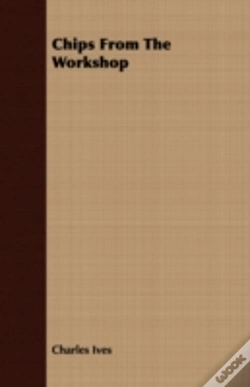
Chips From The Workshop
language: english
Publisher:
Read Books, February of 2008 ‧
see product details
OUT OF STOCK OR NOT AVAILABLE
Sell your book
DETeBook com proteção para wookreaderILS
| Property | Description |
|---|---|
| ISBN: | 9781408654187 |
| Publisher: | Read Books |
| Release Date: | February of 2008 |
| Language: | English |
| Cover: | Softcover |
| Pages: | 184 |
| Format: | Book |
| Categories: |
Books in English
>
Others
|
| EAN: | 9781408654187 |
ABOUT THE AUTHOR
Charles Ives
Charles Ives (1874–1954) foi um compositor e pioneiro da música moderna americana, amplamente reconhecido por seu estilo inovador e sua abordagem experimental à composição. Nascido a 20 de outubro de 1874, em Danbury, Connecticut, Ives é considerado uma das figuras mais importantes da música clássica do século XX, embora sua música tenha sido inicialmente ignorada ou subestimada pelo público e pela crítica.
A música de Charles Ives é notável por seu uso criativo de dissonâncias, polifonia complexa, mudanças abruptas de tonalidade e ritmos irregulares, além de suas influências da música popular americana, incluindo folk e música popular urbana. Ele também incorporou elementos da música das tradições locais de Connecticut e da herança americana de música de bandas, o que deu às suas composições uma qualidade única e profundamente pessoal.
Ives começou seus estudos musicais com o pai, que era um músico autodidata e um dos primeiros a introduzir a ideia de experimentação sonora. Ele continuou sua educação formal no Yale College, onde teve uma formação clássica sob a orientação do compositor Horatio Parker, mas sempre manteve seu interesse por explorar formas musicais inovadoras. Em vez de seguir as convenções musicais da época, Ives começou a desenvolver um estilo único que se distanciava das normas estabelecidas, muitas vezes utilizando dissonâncias e experimentando com a forma musical.
Apesar de suas contribuições significativas para a música, a maior parte da carreira de Ives foi dedicada a uma vida paralela como empresário de seguros, profissão que ele seguiu com grande sucesso. Isso permitiu-lhe a independência financeira para compor sem pressões externas, mas também significou que a maior parte de sua música não foi amplamente divulgada até depois de sua morte.
Entre as suas obras mais importantes estão suas sinfonias, especialmente a Primeira Sinfonia (1904), que foi composta quando Ives era ainda jovem, e a Segunda Sinfonia (1909), que reflete seu estilo amadurecido. No entanto, foi a sua Quarta Sinfonia (1916-1927) que se tornou um dos maiores exemplos de seu trabalho experimental e inovador. A sinfonia é notável pela sua complexidade, uso de múltiplos tempos e de diferentes estilos musicais em uma única obra. Outras obras importantes incluem a "Concord Sonata" (1915), uma sonata para piano que reflete sua exploração de dissonâncias e seu interesse pela filosofia transcendental, e a peça "The Unanswered Question" (1906), que combina a música tonal com técnicas de dissonância radical.
Charles Ives foi um compositor autodidata em muitos aspectos e usou sua música para refletir sua própria visão filosófica da vida e da música, sendo influenciado por suas experiências na América e por sua paixão por novas ideias e experimentação. Embora suas obras não tenham sido amplamente reconhecidas enquanto ele ainda estava vivo, hoje ele é considerado uma das figuras mais importantes da música moderna americana. Sua música influenciou muitos compositores contemporâneos, como Aaron Copland, John Cage e outros músicos modernos que também exploraram a dissonância e a liberdade estrutural em suas obras.
A música de Ives agora é amplamente respeitada e suas obras são frequentemente interpretadas por orquestras e pianistas ao redor do mundo, sendo ele considerado uma das grandes figuras do século XX, cuja visão musical inovadora ajudou a moldar a música clássica moderna.
BY THE AUTHOR
-
20%Ensayos Ante Una SonataÁpeiron Ediciones11,42€
14,27€free shipping -
20%Socrates’ Request And The Educational Narrative Of The TimaeusBLOOMSBURY PUBLISHING PLC91,93€
114,91€free shipping