


adicionar à lista de desejos
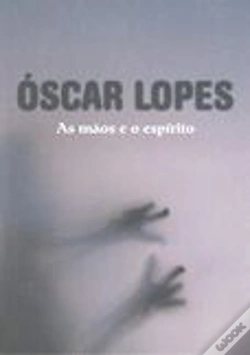
As Mãos e o Espírito
Publisher:
Campo das Letras, October of 2007 ‧
see product details
OUT OF STOCK OR NOT AVAILABLE
Sell your book
SYNOPSIS
Ilustrações originais de Ângelo de Sousa, Armando Alves, Jorge Pinheiro e José Rodrigues | Prefácio de António Borges Coelho | Direcção gráfica de Armando Alves
Com esta nova edição de As Mãos e o Espírito, texto de uma lição tão particularmente significativa na vida e na obra do seu autor, assinalamos o 90.º aniversário de Óscar Lopes, de cuja obra nos orgulhamos de ser editores.
Neste texto tão claro, Óscar Lopes narra em palavras angulares a história da criação do Homem.
Levanta-lhe as mãos do chão, alivia-lhe o peso da mandíbula para suster alta a cabeça e conta a história do diálogo entre as mãos e o espírito - pergunta, resposta aberta, pergunta -, através do sistema telegráfico dos onze sentidos se não forem mais.
A mão multiusos e o espírito juntaram-se na invenção do fogo, da linguagem articulada "que permite agarrar as coisas mesmo quando lá não estão", na invenção da roda, do arado, da forja, do barco, da cidade. E o discurso segue pelo tempo fora surpreendendo em pincelada forte a luminosa, breve e perigosa história dos Humanos.
Podemos imaginar o som e o gesto. A serenidade, a agudeza e a alegria da fala. Gerações e gerações ouviram esta voz na sala de aula, no espaço público ou no silêncio da leitura. Eu próprio, em 1947, fui a Vila Real pedir-lhe ajuda para os meus impulsos poéticos: mandou-me ler Fernando Pessoa.
O tempo tudo consome. Surgiram dados novos. E o texto resiste não só pela mestria da forma como pelo corpo das ideias vazadas em palavras que procuram sempre a exactidão.
O livro As Mãos e o Espírito foi impresso em 1958. Vivíamos sob a opressão interna e o céu de chumbo do chamado equilíbrio nuclear. Em 1957 Óscar Lopes integrara como partidário da paz os cinquenta e dois réus do chamado processo do MUD Juvenil, julgado pelo Tribunal Plenário do Porto. O julgamento arrastou-se durante meio ano, por vezes com três sessões diárias, de manhã, à tarde e à noite. No entanto, no texto que ireis ler, não há amargura ou desalento, mas a serenidade de uma consciência aberta para a entrega ao mundo.
Para os noventa anos de Óscar Lopes deveria ouvir-se música, ainda que ele a não ouça, uma cantata de Bach ou de Prokofiev, uma sonata ou um quarteto de Beethoven, um lied, um trio de Schubert ou simplesmente uma qualquer página de Mozart. Fico-me por uma braçada de palavras que não se atrevem a descrever a grandeza desta figura singular.
(António Borges Coelho)
DETAILS
| Property | Description |
|---|---|
| ISBN: | 9789896252113 |
| Publisher: | Campo das Letras |
| Release Date: | October of 2007 |
| Language: | Portuguese |
| Cover: | Softcover |
| Pages: | 72 |
| Format: | Book |
| Categories: |
Books in Portuguese
>
Fiction
>
History of Literature
|
| EAN: | 9789896252113 |
ABOUT THE AUTHOR
Óscar Lopes
Crítico literário e professor catedrático, Óscar Lopes nasceu em Leça da Palmeira em 1917. Licenciou-se em Filologia Clássica pela Faculdade de Letras de Lisboa e frequentou o curso de Ciências Histórico-Filosóficas em Coimbra e o Conservatório de Música do Porto. Entre 1951 e 1957 dinamizou a página literária do Comércio do Porto. Desempenhou funções docentes como professor do ensino secundário, até integrar, entre 1974 e 1987, os quadros da Faculdade de Letras do Porto, onde foi professor catedrático e onde fundou o Centro de Linguística, desenvolvendo uma atividade ensaística que sempre soube conciliar com o seu interesse pela música e pela linguística. Foi presidente da Associação Portuguesa de Escritores e sócio de mérito da Associação de Jornalistas e Homens de Letras do Porto e integrou os júris de vários prémios literários. Mercê do seu envolvimento na oposição ao regime salazarista, foi, durante a ditadura, duas vezes detido, afastado temporariamente do serviço letivo oficial e viu obras suas apreendidas, sendo ainda múltiplas vezes impedido de participar em congressos ou outros eventos para que fora convidado no estrangeiro. Pertencendo à geração que, nos anos 40, nas páginas de Seara Nova ou Vértice defende uma arte comprometida e teorizada a partir das coordenadas ideológicas do marxismo dialético, o nome de Óscar Lopes, ao lado de outros, como Mário Dionísio, Mário Sacramento, Álvaro Cunhal ou Joaquim Namorado, é indissociável do processo que, integrando, além da criação, a teorização e a crítica literárias, conduzirá à afirmação e progressiva revisão crítica dos pressupostos do neo-realismo. A formação multifacetada de Óscar Lopes, especializada simultaneamente nos domínios da linguística, da musicologia, da história, da filosofia e da literatura, permitirá colmatar, no entanto, a perspetiva marxista dialética, no que impõe de compreensão do horizonte de realidade em que se inscreve o texto literário e enriquecer essa visão de conjunto por uma análise pormenorizada dos seus carateres estilísticos. Caminhando pendularmente entre "a microanálise e as grandes sínteses" (cf. AA.VV. - Sentido Que a Vida Faz. Estudos Para Óscar Lopes, Porto, Campo das Letras, 1997, p. 16), o ensaísmo de Óscar Lopes, seja em volumes de grande fôlego e caráter referencial no domínio da historiografia literária, como a História da Literatura Portuguesa ou Entre Fialho e Nemésio , seja em estudos sobre a literatura contemporânea coligidos em Álbum de Família ou Cifras do Tempo, "se por um lado relevam de uma visão atenta às particularidades de um autor ou de uma obra, por outro lado partilham de idêntica amplitude reflexiva, permanecendo um lugar de interrogação epistemológica." (id. ibi, p. 16.) Um sentido de abertura criativa a novos métodos e modelos, que, no âmbito da investigação linguística, culminaria num trabalho inovador, a Gramática Simbólica do Português , obra pioneira, que constitui um marco dos estudos linguísticos em Portugal. Tendo recebido múltiplas homenagens públicas, foi, em 23 de abril de 1987, aprovado pela Assembleia da República um Voto de Louvor como reconhecimento de que o seu nome "é uma referência obrigatória da cultura portuguesa contemporânea".
O autor recebeu, em 2000, o prémio Vida Literária, atribuído pela Associação Portuguesa de Escritores.
BY THE AUTHOR
-
20%História da Literatura PortuguesaPorto Editora39,20€
49,00€free shipping -
10%A Planicie e o AbismoVega7,07€ 10% CARD