Octavio Paz
PRÉMIO NOBEL DA LITERATURA 1990
Escritor e poeta prolífico mexicano, Octavio Paz nasceu a 31 de março de 1914, na Cidade do México. Filho de um jornalista que se tornou secretário do revolucionário Emilio Zapata e neto de um autor de romances dedicados ao martírio indígena, beneficiou da extensa biblioteca do seu avô, interessando-se desde muito cedo pela literatura. Com o assassinato de Zapata, em 1919, a família de Octavio Paz foi forçada a exilar-se, demorando-se algum tempo nos Estados Unidos da América. De regresso ao México, ingressou no curso de Direito da Universidade Nacional mas, ambicionando vir a tornar-se poeta, não chegou a obter o seu diploma. Estreou-se em 1933 com a publicação da sua primeira coletânea de poemas, Luna Silvestre.
Em 1937 partiu para Espanha, com o intuito de tomar assento no Segundo Congresso Internacional de Escritores Anti-Fascistas, a decorrer na cidade de Valencia, mas acabou por combater nas fileiras republicanas durante a Guerra Civil Espanhola. Teve ocasião de conhecer colegas como Ilja Ehrenburg, André Gide e André Malraux. Simpatizando com os ideais comunistas, publicou nesse mesmo ano de 1937 Bajo Tu Clara Sombra y Otros Poemas e No Pasarán! obras que refletem as suas experiências em solo espanhol. Em 1938 participou na fundação de uma revista, Taller, que procurava estabelecer uma nova geração de escritores no México, ansiando pela liberdade em tons de surrealismo. Em 1943 viajou até aos Estados Unidos da América munido de uma bolsa atribuída pela Fundação Guggenheim, tomando contacto com a poesia modernista na Universidade de Berkeley.
Em 1945 entrou ao serviço do Corpo Diplomático Mexicano e foi enviado para Paris, onde escreveu Liberdad Bajo Palabra (1949) e El Laberinto De La Soledad (1950). Publicou a sua primeira experiência em prosa poética em 1951, com o título Águila O Sol?, e em 1956 apareceu El Arco Y La Lira, um ensaio sobre as literaturas francesa e espanhola. Depois de ter composto Piedra De Sol (1957) e cumprido uma missão no Japão, Octavio Paz foi nomeado embaixador do México na Índia, em 1962. Acabou por se demitir em 1968, em sinal de protesto contra o massacre dos estudantes na Praça Tlateloco, que se manifestavam contra o governo pouco tempo antes dos Jogos Olímpicos do México.
Seguiu então uma carreira académica, marcada pela passagem por instituições de prestígio como as universidades de Cambridge e de Harvard, mantendo a atividade editorial. Foi galardoado com inúmeros prémios, entre os quais se destacam o Neustadt, em 1982, e o Nobel da Literatura, em 1990.
Octavio Paz faleceu a 19 de abril de 1998.
Octavio Paz. In Infopédia. Porto: Porto Editora, 2003-2011.
Escritor e poeta prolífico mexicano, Octavio Paz nasceu a 31 de março de 1914, na Cidade do México. Filho de um jornalista que se tornou secretário do revolucionário Emilio Zapata e neto de um autor de romances dedicados ao martírio indígena, beneficiou da extensa biblioteca do seu avô, interessando-se desde muito cedo pela literatura. Com o assassinato de Zapata, em 1919, a família de Octavio Paz foi forçada a exilar-se, demorando-se algum tempo nos Estados Unidos da América. De regresso ao México, ingressou no curso de Direito da Universidade Nacional mas, ambicionando vir a tornar-se poeta, não chegou a obter o seu diploma. Estreou-se em 1933 com a publicação da sua primeira coletânea de poemas, Luna Silvestre.
Em 1937 partiu para Espanha, com o intuito de tomar assento no Segundo Congresso Internacional de Escritores Anti-Fascistas, a decorrer na cidade de Valencia, mas acabou por combater nas fileiras republicanas durante a Guerra Civil Espanhola. Teve ocasião de conhecer colegas como Ilja Ehrenburg, André Gide e André Malraux. Simpatizando com os ideais comunistas, publicou nesse mesmo ano de 1937 Bajo Tu Clara Sombra y Otros Poemas e No Pasarán! obras que refletem as suas experiências em solo espanhol. Em 1938 participou na fundação de uma revista, Taller, que procurava estabelecer uma nova geração de escritores no México, ansiando pela liberdade em tons de surrealismo. Em 1943 viajou até aos Estados Unidos da América munido de uma bolsa atribuída pela Fundação Guggenheim, tomando contacto com a poesia modernista na Universidade de Berkeley.
Em 1945 entrou ao serviço do Corpo Diplomático Mexicano e foi enviado para Paris, onde escreveu Liberdad Bajo Palabra (1949) e El Laberinto De La Soledad (1950). Publicou a sua primeira experiência em prosa poética em 1951, com o título Águila O Sol?, e em 1956 apareceu El Arco Y La Lira, um ensaio sobre as literaturas francesa e espanhola. Depois de ter composto Piedra De Sol (1957) e cumprido uma missão no Japão, Octavio Paz foi nomeado embaixador do México na Índia, em 1962. Acabou por se demitir em 1968, em sinal de protesto contra o massacre dos estudantes na Praça Tlateloco, que se manifestavam contra o governo pouco tempo antes dos Jogos Olímpicos do México.
Seguiu então uma carreira académica, marcada pela passagem por instituições de prestígio como as universidades de Cambridge e de Harvard, mantendo a atividade editorial. Foi galardoado com inúmeros prémios, entre os quais se destacam o Neustadt, em 1982, e o Nobel da Literatura, em 1990.
Octavio Paz faleceu a 19 de abril de 1998.
Octavio Paz. In Infopédia. Porto: Porto Editora, 2003-2011.
Bibliography
-
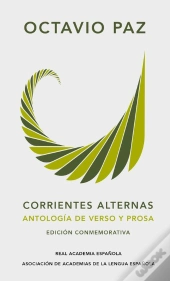
eBook10%Corrientes Alternas. Antología De Verso Y Prosa (Edición Conmemorativa De La Rae Y La Asale)LENGUA VIVA04-20248,99€
9,99€ -
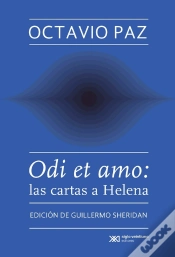
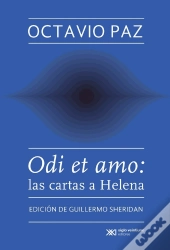
eBook10%Odi Et AmoSiglo XXI Editores México04-202314,99€ 10% CARD
-
eBook10%Bow And The LyreUNIVERSITY OF TEXAS PRESS02-202213,71€ 10% CARD
-
eBook10%The Poems Of Octavio PazNew Directions02-201825,19€ 10% CARD
-
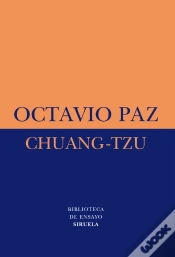
eBook10%Chuang-TzuSIRUELA12-20176,99€ 10% CARD
-
eBook10%Rappaccini'S DaughterNick Hern Books10-201710,99€ 10% CARD
-
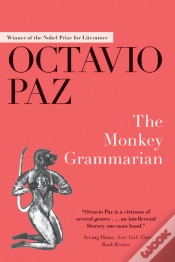
eBook10%Monkey GrammarianARCADE07-201712,90€ 10% CARD
-
imagem não disponívelSiren And The SeashelleBook10%Siren And The SeashellUNIVERSITY OF TEXAS PRESS05-201317,81€ 10% CARD
-
imagem não disponívelBow And The LyreeBook10%Bow And The LyreUNIVERSITY OF TEXAS PRESS05-201317,81€ 10% CARD
-
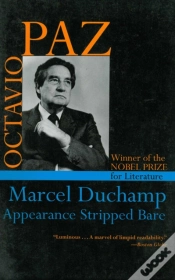
eBook10%Marcel DuchampARCADE11-201112,90€ 10% CARD
-
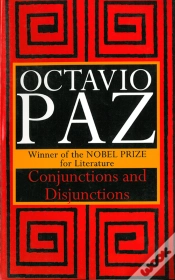
eBook10%Conjunctions And DisjunctionsARCADE09-201112,90€ 10% CARD