Marcel Aymé
Marcel Aymé (1902–1967) foi um dos mais singulares escritores franceses do século XX, destacando-se como romancista, contista e dramaturgo, com uma obra marcada pelo humor mordaz, pelo fantástico discreto e por uma atenção constante às hipocrisias sociais e morais do seu tempo.
A sua escrita, aparentemente simples e acessível, oculta uma visão profundamente crítica do poder, da autoridade e do conformismo coletivo.
Nascido em Joigny, na Borgonha, Aymé perdeu a mãe muito cedo e teve uma juventude errante, passando por vários colégios antes de concluir estudos em Paris. Trabalhou em diferentes ofícios antes de se afirmar como escritor nos anos 1930. Durante a Ocupação alemã permaneceu em França, publicando obras que recorreram frequentemente ao fantástico e ao absurdo como forma indireta de abordar realidades opressivas, o que marcou decisivamente a receção crítica da sua produção desse período.
A sua obra conheceu ampla difusão e reconhecimento, sendo rapidamente traduzida em numerosas línguas e adaptada a vários meios artísticos. Contos e peças suas foram levados ao cinema, ao teatro e à televisão — entre as adaptações mais célebres conta-se Le Passe-Muraille, levado ao cinema em 1951. Embora não tenha sido um autor de prémios literários institucionais de grande visibilidade, alcançou um reconhecimento duradouro junto do público e da crítica, consolidando-se como um clássico moderno da literatura francesa.
Entre as suas principais obras figuram os romances La Jument verte, Uranus e Le Chemin des écoliers, bem como numerosas coletâneas de contos, onde sobressai Le Passe-Muraille et autres nouvelles. Os seus temas centrais incluem a arbitrariedade do poder, a fragilidade da moral social, o absurdo das convenções e a solidão do indivíduo comum, frequentemente tratados através de situações fantásticas ou ligeiramente desviadas do real, que tornam a sua obra simultaneamente lúdica e profundamente inquietante.
A sua escrita, aparentemente simples e acessível, oculta uma visão profundamente crítica do poder, da autoridade e do conformismo coletivo.
Nascido em Joigny, na Borgonha, Aymé perdeu a mãe muito cedo e teve uma juventude errante, passando por vários colégios antes de concluir estudos em Paris. Trabalhou em diferentes ofícios antes de se afirmar como escritor nos anos 1930. Durante a Ocupação alemã permaneceu em França, publicando obras que recorreram frequentemente ao fantástico e ao absurdo como forma indireta de abordar realidades opressivas, o que marcou decisivamente a receção crítica da sua produção desse período.
A sua obra conheceu ampla difusão e reconhecimento, sendo rapidamente traduzida em numerosas línguas e adaptada a vários meios artísticos. Contos e peças suas foram levados ao cinema, ao teatro e à televisão — entre as adaptações mais célebres conta-se Le Passe-Muraille, levado ao cinema em 1951. Embora não tenha sido um autor de prémios literários institucionais de grande visibilidade, alcançou um reconhecimento duradouro junto do público e da crítica, consolidando-se como um clássico moderno da literatura francesa.
Entre as suas principais obras figuram os romances La Jument verte, Uranus e Le Chemin des écoliers, bem como numerosas coletâneas de contos, onde sobressai Le Passe-Muraille et autres nouvelles. Os seus temas centrais incluem a arbitrariedade do poder, a fragilidade da moral social, o absurdo das convenções e a solidão do indivíduo comum, frequentemente tratados através de situações fantásticas ou ligeiramente desviadas do real, que tornam a sua obra simultaneamente lúdica e profundamente inquietante.
Share
Bibliography
-
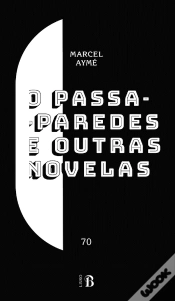
10%O Passa-Paredes e Outras NovelasLivro B03-202616,11€
17,90€free shipping -
imagem não disponívelNovos Contos do Gato no PoleiroNovos Contos do Gato no PoleiroEditorial Teorema04-19907,90€
-
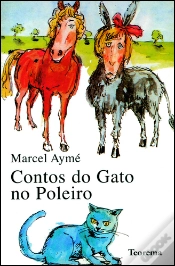
Contos do Gato no PoleiroEditorial Teorema04-19897,50€