Joseph Brodsky
PRÉMIO NOBEL DA LITERATURA 1987
Poeta norte-americano, Josip Aleksanderovich Brodsky nasceu a 25 de maio de 1940, em Leninegrado (atual São Petersburgo), na ex-União Soviética. Filho de um fotógrafo, abandonou os seus estudos aos quinze anos de idade, revelando-se um jovem rebelde e descontente. Passou então por várias situações profissionais, chegando a ser atiçador de caldeira e prospetor geológico. Começou a escrever poesia antes de ter atingido os vinte anos de idade. Embora os seus trabalhos não tecessem críticas diretas ao regime soviético caíram no desagrado das autoridades, pelo que tiveram que figurar em publicações panfletárias clandestinas. Contudo, publicou o seu primeiro livro em 1963, uma compilação de poemas intitulada Bolshaja Elegija Dzonu Donnu.
Em março de 1964, após ter sido julgado por "parasitismo social", Brodsky cumpriu uma pena de exílio com trabalhos forçados. Inicialmente condenado a cinco anos, viu a sua pena ser comutada em dois, graças às petições de personalidades do panorama cultural russo, como Anna Akhmatova e Dimitri Shostakovich. Durante a sua permanência no estabelecimento prisional de Arcangel, conseguiu enviar o manuscrito de Stikhotvoreniya i Poemi a amigos que se encarregaram de o fazer publicar através de uma editora norte-americana em 1965.
Em 1972 foi banido da União Soviética e, passando pela Áustria e pela Inglaterra, decidiu emigrar para os Estados Unidos da América. Aí ocupou funções docentes em várias universidades. No ano de 1977 adotou a cidadania norte-americana.
Escolhendo o inglês como o seu idioma de trabalho, publicou, entre outras obras, A Part Of Speech (1980), History Of The Twentieth Century (1986) e Less Than One (1986). Esta última, uma coletânea de ensaios aparecidos em publicações periódicas com que Brodsky havia colaborado, lidava com temas artísticos e políticos. Num deles, o escritor revolta-se contra o facto de as autoridades soviéticas nunca terem dado autorização aos seus pais para o visitar. Em 1995 surgiu On Grief And Reason, uma compilação de ensaios em que Brodsky faz uma análise das rivalidades entre soviéticos e norte-americanos.
Galardoado com o Prémio Nobel da Literatura em 1987, Joseph Brodsky faleceu em Nova Iorque a 28 de janeiro de 1996, vítima de um ataque cardíaco.
Joseph Brodsky. In Infopédia. Porto: Porto Editora, 2003-2011.
Poeta norte-americano, Josip Aleksanderovich Brodsky nasceu a 25 de maio de 1940, em Leninegrado (atual São Petersburgo), na ex-União Soviética. Filho de um fotógrafo, abandonou os seus estudos aos quinze anos de idade, revelando-se um jovem rebelde e descontente. Passou então por várias situações profissionais, chegando a ser atiçador de caldeira e prospetor geológico. Começou a escrever poesia antes de ter atingido os vinte anos de idade. Embora os seus trabalhos não tecessem críticas diretas ao regime soviético caíram no desagrado das autoridades, pelo que tiveram que figurar em publicações panfletárias clandestinas. Contudo, publicou o seu primeiro livro em 1963, uma compilação de poemas intitulada Bolshaja Elegija Dzonu Donnu.
Em março de 1964, após ter sido julgado por "parasitismo social", Brodsky cumpriu uma pena de exílio com trabalhos forçados. Inicialmente condenado a cinco anos, viu a sua pena ser comutada em dois, graças às petições de personalidades do panorama cultural russo, como Anna Akhmatova e Dimitri Shostakovich. Durante a sua permanência no estabelecimento prisional de Arcangel, conseguiu enviar o manuscrito de Stikhotvoreniya i Poemi a amigos que se encarregaram de o fazer publicar através de uma editora norte-americana em 1965.
Em 1972 foi banido da União Soviética e, passando pela Áustria e pela Inglaterra, decidiu emigrar para os Estados Unidos da América. Aí ocupou funções docentes em várias universidades. No ano de 1977 adotou a cidadania norte-americana.
Escolhendo o inglês como o seu idioma de trabalho, publicou, entre outras obras, A Part Of Speech (1980), History Of The Twentieth Century (1986) e Less Than One (1986). Esta última, uma coletânea de ensaios aparecidos em publicações periódicas com que Brodsky havia colaborado, lidava com temas artísticos e políticos. Num deles, o escritor revolta-se contra o facto de as autoridades soviéticas nunca terem dado autorização aos seus pais para o visitar. Em 1995 surgiu On Grief And Reason, uma compilação de ensaios em que Brodsky faz uma análise das rivalidades entre soviéticos e norte-americanos.
Galardoado com o Prémio Nobel da Literatura em 1987, Joseph Brodsky faleceu em Nova Iorque a 28 de janeiro de 1996, vítima de um ataque cardíaco.
Joseph Brodsky. In Infopédia. Porto: Porto Editora, 2003-2011.
Bibliography
-
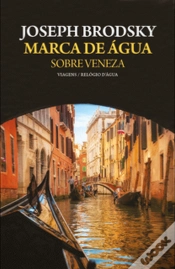
10%Marca de ÁguaRelógio D'Água01-201814,50€ 10% CARD
-
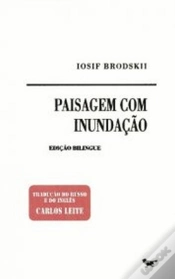
Paisagem com InundaçãoCotovia12-200116,00€