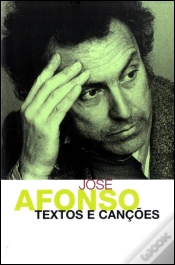
José Afonso
Poeta, cantor e compositor, José Manuel Cerqueira Afonso dos Santos nasceu a 2 de agosto de 1929, em Aveiro, e faleceu a 23 de fevereiro de 1987, em Setúbal.
Viveu até aos três anos na cidade onde nasceu, tendo, em 1932, viajado para Angola onde passou a viver com os pais e irmãos que aí já se encontravam. Terá sido aqui que o poeta criou uma relação estreita com a Natureza e sobretudo com África que, mais tarde, se refletiria em muitos dos seus trabalhos.
Regressado a Portugal, depois de uma breve passagem também por Moçambique, José Afonso foi viver para casa de familiares em Belmonte, onde completou o Ensino Primário.
Estudou, já em Coimbra, no liceu D. João III e ingressou depois no curso de Ciências Histórico-Filosóficas da Faculdade de Letras daquela cidade, tornando-se notado pelas suas interpretações do fado típico coimbrão - não apenas pela qualidade da sua voz mas pela originalidade que emprestava às interpretações.
Em 1955, iniciou uma pequena carreira como professor do Ensino Secundário e lecionou em liceus e colégios de locais tão variados como Mangualde, Aljustrel, Lagos, Faro e Alcobaça. Seis anos mais tarde, partiu para Moçambique onde voltaria a dar aulas.
De volta ao seu país, em 1967, conseguiu uma colocação como professor mas, ao ser expulso do Ensino por incompatilidades ideológicas face ao regime ditatorial vigente, começou a dedicar-se mais à música e, consequentemente, a gravações mais regulares.
A sua formação musical integrou um processo global de atualização temática e musical da canção e fado de Coimbra. Foi assim que o cancioneiro de Zeca Afonso recriou temas folclóricos e até infantis, reescrevendo formas tradicionais como a "Canção de Embalar", evocando mesmo, neste retomar das mais puras raízes culturais portuguesas, o ambiente lírico dos cancioneiros primitivos (cf. "Cantiga do Monte"), ao mesmo tempo que introduziu no texto temas resultantes de um compromisso histórico, denunciando situações de miséria social e moral (os meninos pobres, a fome no Alentejo, a ausência de liberdade) e cimentando a crença numa utopia concentrada no anseio de "Um novo dia" ("Menino do Bairro Negro").
Reagindo contra a inutilidade de "cantar o cor-de-rosa e o bonitinho, muito em voga nas nossas composições radiofónicas e no nosso music-hall de exportação", partiu da convicção de que "Se lhe déssemos uma certa dignidade e lhe atribuíssemos, pela urgência dos temas tratados, um mínimo de valor educativo, conseguiríamos talvez fabricar um novo tipo de canção cuja atualização poderia repercutir-se no espírito narcotizado do público, molestando-lhe a consciência adormecida em vez de o distrair." ("Notas" de José Afonso in Cantares, p. 82).
Canções decoradas por várias gerações de portugueses, filhas da tradição e incorporando, por seu turno, a tradição cultural portuguesa, a maior parte dos temas de Zeca Afonso integram, como voz de resistência mas também como voz pura brotando das raízes do ser português, o imaginário de um povo que durante a ditadura decorou e entoou intimamente os versos de revolta de "Vampiros" ou de "A Morte Saiu à Rua", ou que fez de "Grândola, Vila Morena" o seu hino de utopia e libertação.
Menos equívoca, no pós-25 de abril, mas animada pelo mesmo ímpeto de reivindicação de justiça e de apelo à fraternidade, a sua canção, no que perde por vezes de subtil metaforização imposta pela escrita sob censura, ganha em força e engagement, na batalha contra novos fantasmas da alienação humana como o imperialismo, a CIA, o fascismo brasileiro, o novo colonialismo de África, o individualismo europeu.
Neste alento, as Quadras Populares (1980) constituem uma verdadeira miscelânea sobre os novos desconcertos do mundo, as suas novas e renovadas formas de opressão, enumerando uma por uma as iniquidades, disparates e esperanças frustradas da sociedade saída da revolução de abril, aspirando, em conclusão, a uma revolução ainda não cumprida ou ainda por fazer.
Apesar de galardoado por três vezes consecutivas (1969, 1970 e 1971) com um prémio oficial, a sua produção viria a ser banida dos meios de comunicação, dado o seu conteúdo indesejável para o regime; por essa mesma ordem de razões - talvez mais do que pela inovação musical -, a sua popularidade viria a crescer após a reimplantação da democracia.
De toda a sua discografia, destacam-se os seguintes álbuns: Balada do outono (1960), Baladas de Coimbra (1962), Baladas e Canções (1964), Cantares de Andarilho (1968), Traz outro Amigo Também (1970), Venham mais Cinco (1973), Coro dos Tribunais (1974), Grândola, Vila Morena (1974), Enquanto há Força (1978), Como se fora seu Filho (1983) e Galinhas do Mato (1985).
Viveu até aos três anos na cidade onde nasceu, tendo, em 1932, viajado para Angola onde passou a viver com os pais e irmãos que aí já se encontravam. Terá sido aqui que o poeta criou uma relação estreita com a Natureza e sobretudo com África que, mais tarde, se refletiria em muitos dos seus trabalhos.
Regressado a Portugal, depois de uma breve passagem também por Moçambique, José Afonso foi viver para casa de familiares em Belmonte, onde completou o Ensino Primário.
Estudou, já em Coimbra, no liceu D. João III e ingressou depois no curso de Ciências Histórico-Filosóficas da Faculdade de Letras daquela cidade, tornando-se notado pelas suas interpretações do fado típico coimbrão - não apenas pela qualidade da sua voz mas pela originalidade que emprestava às interpretações.
Em 1955, iniciou uma pequena carreira como professor do Ensino Secundário e lecionou em liceus e colégios de locais tão variados como Mangualde, Aljustrel, Lagos, Faro e Alcobaça. Seis anos mais tarde, partiu para Moçambique onde voltaria a dar aulas.
De volta ao seu país, em 1967, conseguiu uma colocação como professor mas, ao ser expulso do Ensino por incompatilidades ideológicas face ao regime ditatorial vigente, começou a dedicar-se mais à música e, consequentemente, a gravações mais regulares.
A sua formação musical integrou um processo global de atualização temática e musical da canção e fado de Coimbra. Foi assim que o cancioneiro de Zeca Afonso recriou temas folclóricos e até infantis, reescrevendo formas tradicionais como a "Canção de Embalar", evocando mesmo, neste retomar das mais puras raízes culturais portuguesas, o ambiente lírico dos cancioneiros primitivos (cf. "Cantiga do Monte"), ao mesmo tempo que introduziu no texto temas resultantes de um compromisso histórico, denunciando situações de miséria social e moral (os meninos pobres, a fome no Alentejo, a ausência de liberdade) e cimentando a crença numa utopia concentrada no anseio de "Um novo dia" ("Menino do Bairro Negro").
Reagindo contra a inutilidade de "cantar o cor-de-rosa e o bonitinho, muito em voga nas nossas composições radiofónicas e no nosso music-hall de exportação", partiu da convicção de que "Se lhe déssemos uma certa dignidade e lhe atribuíssemos, pela urgência dos temas tratados, um mínimo de valor educativo, conseguiríamos talvez fabricar um novo tipo de canção cuja atualização poderia repercutir-se no espírito narcotizado do público, molestando-lhe a consciência adormecida em vez de o distrair." ("Notas" de José Afonso in Cantares, p. 82).
Canções decoradas por várias gerações de portugueses, filhas da tradição e incorporando, por seu turno, a tradição cultural portuguesa, a maior parte dos temas de Zeca Afonso integram, como voz de resistência mas também como voz pura brotando das raízes do ser português, o imaginário de um povo que durante a ditadura decorou e entoou intimamente os versos de revolta de "Vampiros" ou de "A Morte Saiu à Rua", ou que fez de "Grândola, Vila Morena" o seu hino de utopia e libertação.
Menos equívoca, no pós-25 de abril, mas animada pelo mesmo ímpeto de reivindicação de justiça e de apelo à fraternidade, a sua canção, no que perde por vezes de subtil metaforização imposta pela escrita sob censura, ganha em força e engagement, na batalha contra novos fantasmas da alienação humana como o imperialismo, a CIA, o fascismo brasileiro, o novo colonialismo de África, o individualismo europeu.
Neste alento, as Quadras Populares (1980) constituem uma verdadeira miscelânea sobre os novos desconcertos do mundo, as suas novas e renovadas formas de opressão, enumerando uma por uma as iniquidades, disparates e esperanças frustradas da sociedade saída da revolução de abril, aspirando, em conclusão, a uma revolução ainda não cumprida ou ainda por fazer.
Apesar de galardoado por três vezes consecutivas (1969, 1970 e 1971) com um prémio oficial, a sua produção viria a ser banida dos meios de comunicação, dado o seu conteúdo indesejável para o regime; por essa mesma ordem de razões - talvez mais do que pela inovação musical -, a sua popularidade viria a crescer após a reimplantação da democracia.
De toda a sua discografia, destacam-se os seguintes álbuns: Balada do outono (1960), Baladas de Coimbra (1962), Baladas e Canções (1964), Cantares de Andarilho (1968), Traz outro Amigo Também (1970), Venham mais Cinco (1973), Coro dos Tribunais (1974), Grândola, Vila Morena (1974), Enquanto há Força (1978), Como se fora seu Filho (1983) e Galinhas do Mato (1985).
Bibliography
-
20%José Afonso - Os Primeiros AnosTradisom04-202424,00€
30,00€free shipping -
20%Obra PoéticaRelógio D'Água11-202217,60€
22,00€free shipping -
José Afonso ao VivoTradisom04-201996,00€free shipping
-
20%Textos e CançõesRelógio D'Água04-200012,12€
15,15€free shipping -
imagem não disponívelQuadras PopularesQuadras PopularesUlmeiro04-19964,03€free shipping