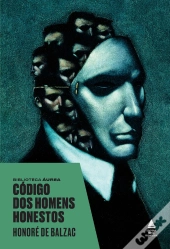
Honoré de Balzac
Escritor francês, nasceu a 20 de maio de 1799, em Tours, e morreu a 18 de agosto de 1850, na Rua Fortunée (hoje Rua de Balzac), em Paris. Quando Balzac nasceu, o pai tinha 53 anos e a mãe 21. Foi mandado para o colégio entre os oito e os catorze anos. Com a queda do governo napoleónico a família mudou-se de Tours para Paris, local onde Balzac frequentou mais dois anos de escola e passou os três anos seguintes a trabalhar no escritório de um advogado. A personalidade de Balzac ficaria marcada pela ausência de afeto maternal. Todo o seu trabalho literário se desenvolveu no ambiente de uma família burguesa representativa da mutação dos tempos. O Antigo Regime tinha sido derrubado com a Revolução Francesa.
Honoré de Balzac decidiu aos vinte anos dedicar-se à literatura. Como escritor de Cromwell (1819) e outras trágicas peças não foi além de um insucesso absoluto. De seguida escreveu romances sob pseudónimos. Como as suas obras tinham pouco êxito, lança-se nos negócios em 1825. Associa-se a um livreiro e torna-se impressor, mas em 1828 acaba por arruinar a família. Esta experiência dolorosa vai influir na obra literária. Em 1829, a publicação de duas obras deram o mote para o início do sucesso da sua carreira: les Chouans , um romance de amor que conta a história da insurreição dos camponeses de Breton contra a França revolucionária de 1799, e la Physiologie du mariage , um ensaio humorístico e satírico. Um ano depois publica Scènes de la vie privée , obra que veio aumentar a sua reputação. Estas histórias contadas por Balzac eram, na sua maior parte, estudos psicológicos baseados em conflitos entre pais e filhos. É um escritor que observa muito detalhadamente a fachada social. É como um cientista, deve muito ao positivismo de Comte (observação e experiência). Escreve o que pensa da sociedade, mas de um modo desapaixonado. Balzac passou a maioria do seu tempo em Paris. Frequentou os salões parisienses e investiu esforços para se tornar uma figura deslumbrante da cidade das luzes. Estava ávido de fama, fortuna e amor. Encetou um conjunto de relações amorosas com mulheres da aristocracia do seu tempo. Entre 1828 e 1834 teve uma existência verdadeiramente tumultuosa. A ostentação da vida social que cultivava era um modo de se descontrair da sua enorme capacidade de trabalho, cerca de 14 a 16 horas por dia, tempo passado a escrever com uma pena de ganso e vestido com uma toga branca, quase monástica, e sempre acompanhado pelo café, o seu vício. Estes anos foram também de intensa atividade jornalística. Entre 1832 e 1835 produziu mais de vinte trabalhos dos quais se destacam: le Médecin de campagne (1833), Eugénie Grandet (1833), l'Illustre Gaudissart (1833) e Père Goriot (1835) uma das suas obras-primas. Neste romance reaparecem pela primeira vez personagens de romances anteriores. Tenta construir um universo coerente de seres e situações que formem um todo. O ano de 1834 marca o clímax na carreira do escritor, quando decidiu publicar uma série de livros onde retrataria a sociedade do seu tempo dividida em três categorias de romances: em Etudes analytiques retrata os princípios que governam a vida e a sociedade, em Etudes philosophiques revela as causas do determinismo da ação humana e em Etudes de murs mostra os efeitos dessas causas e divide-as em seis scènes - privadas, provinciais, parisienses, políticas, militares e rurais. Este projeto resultou num total de 12 volumes escritos entre 1834/37. Em 1840 juntou todos os volumes e mais alguns escritos posteriores, reunindo-os numa obra que intitulou la Comédie humaine . A edição definitiva, de 24 volumes, só foi editada entre 1869 e 1876. No período entre 1836 e 1839 escreveu le Cabinet des Antiques (1839) e as primeiras duas partes de Illusions perdues , considerada uma obra-prima, que só ficou concluída em 1843. Este livro conta a história de um jovem provinciano que vem para Paris e que, ao confrontar-se com uma nova realidade, abala as suas ideias românticas. Não há tema mais balzaquiano do que o de um jovem provinciano ambicioso que luta no mundo competitivo e adverso da grande cidade de Paris. Balzac admira estes indivíduos e tem especial atração pelo tema que coloca em conflito o indivíduo com a sociedade. As personagens balzaquianas são continuamente afetadas pelas pressões derivadas das dificuldades materiais e das ambições sociais. Ainda durante a década de trinta escreveu alguns romances relacionados com psicologia, mística e temas eróticos. A variedade de temas transformou Balzac no supremo observador e cronista da sociedade francesa contemporânea. Os seus romances são inigualáveis quer na vitalidade e na diversidade narrativas, quer no interesse obsessivo pelas várias vertentes da vida, o contraste entre os hábitos e costumes da cidade e da província, a indústria, o comércio, a arte, a literatura, a cultura, a intriga política, o amor romântico, os escândalos na aristocracia e na alta burguesia. A maioria destes assuntos estavam ainda por explorar na ficção francesa. A história que Balzac se propôs escrever é sobretudo uma história da sociedade burguesa, não negligenciando o indivíduo nos seus silêncios e nas suas elipses. Balzac tinha um extraordinário poder de observação, memória fotográfica e capacidade intuitiva para perceber as atitudes dos outros, os seus sentimentos e motivações. O romance balzaquiano faz com que o leitor descubra a alma e os sofrimentos incógnitos, em particular os sofrimentos de abandono e de humilhação. Os seus romances são interditos a leitores unidimensionais.
Honoré de Balzac decidiu aos vinte anos dedicar-se à literatura. Como escritor de Cromwell (1819) e outras trágicas peças não foi além de um insucesso absoluto. De seguida escreveu romances sob pseudónimos. Como as suas obras tinham pouco êxito, lança-se nos negócios em 1825. Associa-se a um livreiro e torna-se impressor, mas em 1828 acaba por arruinar a família. Esta experiência dolorosa vai influir na obra literária. Em 1829, a publicação de duas obras deram o mote para o início do sucesso da sua carreira: les Chouans , um romance de amor que conta a história da insurreição dos camponeses de Breton contra a França revolucionária de 1799, e la Physiologie du mariage , um ensaio humorístico e satírico. Um ano depois publica Scènes de la vie privée , obra que veio aumentar a sua reputação. Estas histórias contadas por Balzac eram, na sua maior parte, estudos psicológicos baseados em conflitos entre pais e filhos. É um escritor que observa muito detalhadamente a fachada social. É como um cientista, deve muito ao positivismo de Comte (observação e experiência). Escreve o que pensa da sociedade, mas de um modo desapaixonado. Balzac passou a maioria do seu tempo em Paris. Frequentou os salões parisienses e investiu esforços para se tornar uma figura deslumbrante da cidade das luzes. Estava ávido de fama, fortuna e amor. Encetou um conjunto de relações amorosas com mulheres da aristocracia do seu tempo. Entre 1828 e 1834 teve uma existência verdadeiramente tumultuosa. A ostentação da vida social que cultivava era um modo de se descontrair da sua enorme capacidade de trabalho, cerca de 14 a 16 horas por dia, tempo passado a escrever com uma pena de ganso e vestido com uma toga branca, quase monástica, e sempre acompanhado pelo café, o seu vício. Estes anos foram também de intensa atividade jornalística. Entre 1832 e 1835 produziu mais de vinte trabalhos dos quais se destacam: le Médecin de campagne (1833), Eugénie Grandet (1833), l'Illustre Gaudissart (1833) e Père Goriot (1835) uma das suas obras-primas. Neste romance reaparecem pela primeira vez personagens de romances anteriores. Tenta construir um universo coerente de seres e situações que formem um todo. O ano de 1834 marca o clímax na carreira do escritor, quando decidiu publicar uma série de livros onde retrataria a sociedade do seu tempo dividida em três categorias de romances: em Etudes analytiques retrata os princípios que governam a vida e a sociedade, em Etudes philosophiques revela as causas do determinismo da ação humana e em Etudes de murs mostra os efeitos dessas causas e divide-as em seis scènes - privadas, provinciais, parisienses, políticas, militares e rurais. Este projeto resultou num total de 12 volumes escritos entre 1834/37. Em 1840 juntou todos os volumes e mais alguns escritos posteriores, reunindo-os numa obra que intitulou la Comédie humaine . A edição definitiva, de 24 volumes, só foi editada entre 1869 e 1876. No período entre 1836 e 1839 escreveu le Cabinet des Antiques (1839) e as primeiras duas partes de Illusions perdues , considerada uma obra-prima, que só ficou concluída em 1843. Este livro conta a história de um jovem provinciano que vem para Paris e que, ao confrontar-se com uma nova realidade, abala as suas ideias românticas. Não há tema mais balzaquiano do que o de um jovem provinciano ambicioso que luta no mundo competitivo e adverso da grande cidade de Paris. Balzac admira estes indivíduos e tem especial atração pelo tema que coloca em conflito o indivíduo com a sociedade. As personagens balzaquianas são continuamente afetadas pelas pressões derivadas das dificuldades materiais e das ambições sociais. Ainda durante a década de trinta escreveu alguns romances relacionados com psicologia, mística e temas eróticos. A variedade de temas transformou Balzac no supremo observador e cronista da sociedade francesa contemporânea. Os seus romances são inigualáveis quer na vitalidade e na diversidade narrativas, quer no interesse obsessivo pelas várias vertentes da vida, o contraste entre os hábitos e costumes da cidade e da província, a indústria, o comércio, a arte, a literatura, a cultura, a intriga política, o amor romântico, os escândalos na aristocracia e na alta burguesia. A maioria destes assuntos estavam ainda por explorar na ficção francesa. A história que Balzac se propôs escrever é sobretudo uma história da sociedade burguesa, não negligenciando o indivíduo nos seus silêncios e nas suas elipses. Balzac tinha um extraordinário poder de observação, memória fotográfica e capacidade intuitiva para perceber as atitudes dos outros, os seus sentimentos e motivações. O romance balzaquiano faz com que o leitor descubra a alma e os sofrimentos incógnitos, em particular os sofrimentos de abandono e de humilhação. Os seus romances são interditos a leitores unidimensionais.
Bibliography
-
eBook10%Lost Illusions - BalzacLebooks Editora04-20251,90€ 10% CARD
-
eBook10%Ilusiones Perdidas - BalzacLebooks Editora04-20251,90€ 10% CARD
-
eBook10%A Mulher De Trinta AnosNova Fronteira04-20223,49€ 10% CARD
-
eBook10%Em Busca Do AbsolutoL&PM Editores07-20215,99€ 10% CARD
-
eBook10%Eugénie GrandetEditora Unesp04-20213,49€ 10% CARD
-
eBook10%A Pele De Onagro - BalzacLebooks Editora03-20211,49€ 10% CARD
-
eBook10%Os Melhores Contos De BalzacLebooks Editora09-20201,49€ 10% CARD
-
eBook10%A Obra Prima Ignorada E Outras Histórias - BalzacLebooks Editora09-20201,49€ 10% CARD
-
eBook10%O Coronel ChabertLebooks Editora08-20201,49€ 10% CARD
-
eBook10%Pai Goriot - BalzacLebooks Editora08-20201,49€ 10% CARD
-
eBook10%Eugénie Grandet - BalzacLebooks Editora07-20201,49€ 10% CARD
-
eBook10%Código Dos Homens Honestos (Biblioteca Áurea)Nova Fronteira10-20183,99€ 10% CARD