Dario Fo
PRÉMIO NOBEL DA LITERATURA 1997
Escritor italiano (1926-2016), nascido na aldeia de San Giano, na Lombardia. Filho de um chefe de estação de caminho de ferro, ator amador e homem de fortes convicções socialistas, deambulou com o resto da família um pouco por todo o Norte de Itália, consoante as obrigações profissionais do seu progenitor.
Enquanto criança, passava os verões na pequena quinta do avô materno, com quem se deixou fascinar pela imaginação criativa. Reputado como uma pessoa de humor aguçado e sátira certeira, o avô desempenhou um papel importante no desenvolvimento intelectual de Dario Fo, na medida em que o fez aprender os rudimentos da ficção, através dos espirituosos diálogos mantidos com os seus conterrâneos, nos quais confabulava sobre a situação socio-política do país e os mexericos da aldeia.
O idílio da sua adolescência foi interrompido com a deflagração da Segunda Guerra Mundial. Embora a escassez não se fizesse sentir tanto nos meios rurais, Dario Fo teve que partir para Milão para prosseguir os seus estudos. Ingressando na Escola Brera de Belas-Artes, viu-se no entanto forçado a interromper as aulas, ao ser recrutado para o exército. Desertando, optou por refugiar-se num sótão onde os seus próprios pais escondiam judeus que ajudavam a atravessar a fronteira para a Suíça.
Finda a guerra, Dario Fo retomou os seus estudos, continuando não só na Escola Brera, mas matriculando-se também no curso de Arquitetura do Instituto Politécnico de Milão. O ambiente cultural da cidade era bastante propício ao teatro, e Fo começou a trabalhar como cenarista.
Em 1951 conheceu Franca Rame, descendente de uma longa linhagem de atores, com que se veio a casar em 1954 e que se tornou na sua valiosíssima assistente. Nesse mesmo ano estreou a sua primeira peça, o monólogo Poer Nano (1951) que, embora tendo um sucesso bastante modesto, foi radiodifundida em dezoito episódios, concedendo a Fo uma certa notoriedade. Em 1959, e depois de uma extensa contribuição para o teatro de revista, fundou, juntamente com a sua esposa, uma companhia de teatro de nome Fo-Rame. No ano seguinte arrebatou um sucesso a nível internacional ao levar à cena a peça Gli Arcangeli Non Giocano A Flipper, drama satírico que conta a história de um larápio que sonha com uma perda de identidade.
Acreditando na ideia de que o teatro era um veículo de ideais políticos, estreou La Signorina È Da Buttare (1967), peça que aborda temas como o da Guerra do Vietname e do assassinato de John Kennedy. Apesar de ter fundado uma outra companhia em 1968, a Nuova Scena, com ligações ao Partido Comunista Italiano, Fo encerrou-a em 1970 e desligou-se desse organismo político.
Em 1969 foi a vez de Mistero Buffo, uma colagem de monólogos medievais com trechos da sua autoria. Apresentada na RAI em 1977, foi considerada pela Igreja Católica como a obra mais blasfema da história da televisão.
Uma das suas obras mais conhecidas, Morte Accidentale Di Un Anarchico foi estreada em 1970. A peça conta a história de um ativista político que foi assassinado pela polícia. Fo gerou também grande controvérsia com Non Si Paga, Non Si Paga! (1974), em que o povo decide de deixar de pagar impostos como forma de protesto contra a corrupção que os desvia. Galardoado com o Prémio Nobel da Literatura em 1997, Dario Fo dedicou-se também à encenação de óperas de Rossini.
In Infopédia . Porto: Porto Editora, 2003-2011.
Escritor italiano (1926-2016), nascido na aldeia de San Giano, na Lombardia. Filho de um chefe de estação de caminho de ferro, ator amador e homem de fortes convicções socialistas, deambulou com o resto da família um pouco por todo o Norte de Itália, consoante as obrigações profissionais do seu progenitor.
Enquanto criança, passava os verões na pequena quinta do avô materno, com quem se deixou fascinar pela imaginação criativa. Reputado como uma pessoa de humor aguçado e sátira certeira, o avô desempenhou um papel importante no desenvolvimento intelectual de Dario Fo, na medida em que o fez aprender os rudimentos da ficção, através dos espirituosos diálogos mantidos com os seus conterrâneos, nos quais confabulava sobre a situação socio-política do país e os mexericos da aldeia.
O idílio da sua adolescência foi interrompido com a deflagração da Segunda Guerra Mundial. Embora a escassez não se fizesse sentir tanto nos meios rurais, Dario Fo teve que partir para Milão para prosseguir os seus estudos. Ingressando na Escola Brera de Belas-Artes, viu-se no entanto forçado a interromper as aulas, ao ser recrutado para o exército. Desertando, optou por refugiar-se num sótão onde os seus próprios pais escondiam judeus que ajudavam a atravessar a fronteira para a Suíça.
Finda a guerra, Dario Fo retomou os seus estudos, continuando não só na Escola Brera, mas matriculando-se também no curso de Arquitetura do Instituto Politécnico de Milão. O ambiente cultural da cidade era bastante propício ao teatro, e Fo começou a trabalhar como cenarista.
Em 1951 conheceu Franca Rame, descendente de uma longa linhagem de atores, com que se veio a casar em 1954 e que se tornou na sua valiosíssima assistente. Nesse mesmo ano estreou a sua primeira peça, o monólogo Poer Nano (1951) que, embora tendo um sucesso bastante modesto, foi radiodifundida em dezoito episódios, concedendo a Fo uma certa notoriedade. Em 1959, e depois de uma extensa contribuição para o teatro de revista, fundou, juntamente com a sua esposa, uma companhia de teatro de nome Fo-Rame. No ano seguinte arrebatou um sucesso a nível internacional ao levar à cena a peça Gli Arcangeli Non Giocano A Flipper, drama satírico que conta a história de um larápio que sonha com uma perda de identidade.
Acreditando na ideia de que o teatro era um veículo de ideais políticos, estreou La Signorina È Da Buttare (1967), peça que aborda temas como o da Guerra do Vietname e do assassinato de John Kennedy. Apesar de ter fundado uma outra companhia em 1968, a Nuova Scena, com ligações ao Partido Comunista Italiano, Fo encerrou-a em 1970 e desligou-se desse organismo político.
Em 1969 foi a vez de Mistero Buffo, uma colagem de monólogos medievais com trechos da sua autoria. Apresentada na RAI em 1977, foi considerada pela Igreja Católica como a obra mais blasfema da história da televisão.
Uma das suas obras mais conhecidas, Morte Accidentale Di Un Anarchico foi estreada em 1970. A peça conta a história de um ativista político que foi assassinado pela polícia. Fo gerou também grande controvérsia com Non Si Paga, Non Si Paga! (1974), em que o povo decide de deixar de pagar impostos como forma de protesto contra a corrupção que os desvia. Galardoado com o Prémio Nobel da Literatura em 1997, Dario Fo dedicou-se também à encenação de óperas de Rossini.
In Infopédia . Porto: Porto Editora, 2003-2011.
Bibliography
-
10%Morte Acidental de um AnarquistaAntígona05-202613,95€
15,50€ -
10%A Filha do PapaDom Quixote10-201416,60€ 10% CARDfree shipping
-
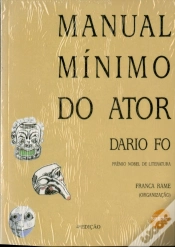
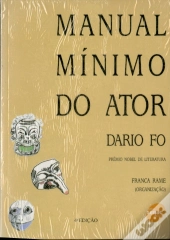
Manual Mínimo Do Ator (4.ª Ed.)SENAC01-200948,76€
-
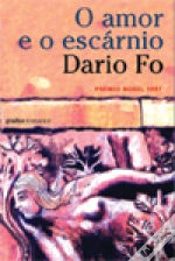
10%O Amor e o EscárnioGradiva05-20085,00€ 10% CARD
-
Manual Mínimo do AtorSENAC01-200433,31€