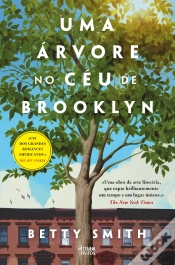
Betty Smith
Betty Smith nasceu como Elisabeth Lillian Wehner em 1896 em Brooklyn, Nova Iorque. Os seus romances continuam a conquistar os corações e a imaginação de milhões de leitores em todo o mundo.
Filha de imigrantes alemães, cresceu pobre em Williamsburg, Brooklyn. Essas experiências serviriam de base para o seu romance, escrito e publicado em 1943, Uma Árvore no Céu de Brooklyn.
O manuscrito começou como uma peça de não-ficção intitulada They Lived in Brooklyn, que Smith começou a enviar para editoras em 1940. Depois de ter sido repetidamente rejeitado, submeteu-o a um concurso realizado pela Harper & Brothers em 1942. Por sugestão dos editores, Smith ampliou e reviu a obra, classificando-a como romance e mudando o título.
O livro tornou-se tão popular aquando do seu lançamento que teve uma segunda edição antes da data oficial de publicação, e nem a tentativa de censura o impediu de vingar. Temas como alcoolismo, sexo, ou abuso infantil não eram tolerados na praça pública. O que outrora era visto como uma história de ficção no seio de um gueto, é atualmente visto como a história de qualquer outra menina em qualquer parte do mundo, em qualquer período.
Betty escreveu outros romances, como Tomorrow Will Be Better (1948) e Maggie-Now (1958), além de peças de teatro.
Passou grande parte da sua vida em Chapel Hill, na Carolina do Norte, onde continuou a sua carreira literária. Betty Smith faleceu em 1972, deixando um legado como uma das grandes cronistas da vida urbana e da classe trabalhadora americana.
Filha de imigrantes alemães, cresceu pobre em Williamsburg, Brooklyn. Essas experiências serviriam de base para o seu romance, escrito e publicado em 1943, Uma Árvore no Céu de Brooklyn.
O manuscrito começou como uma peça de não-ficção intitulada They Lived in Brooklyn, que Smith começou a enviar para editoras em 1940. Depois de ter sido repetidamente rejeitado, submeteu-o a um concurso realizado pela Harper & Brothers em 1942. Por sugestão dos editores, Smith ampliou e reviu a obra, classificando-a como romance e mudando o título.
O livro tornou-se tão popular aquando do seu lançamento que teve uma segunda edição antes da data oficial de publicação, e nem a tentativa de censura o impediu de vingar. Temas como alcoolismo, sexo, ou abuso infantil não eram tolerados na praça pública. O que outrora era visto como uma história de ficção no seio de um gueto, é atualmente visto como a história de qualquer outra menina em qualquer parte do mundo, em qualquer período.
Betty escreveu outros romances, como Tomorrow Will Be Better (1948) e Maggie-Now (1958), além de peças de teatro.
Passou grande parte da sua vida em Chapel Hill, na Carolina do Norte, onde continuou a sua carreira literária. Betty Smith faleceu em 1972, deixando um legado como uma das grandes cronistas da vida urbana e da classe trabalhadora americana.
Share