Arthur Schnitzler
Arthur Schnitzler (1862-1931) foi um médico e escritor austríaco, considerado um dos grandes nomes da literatura de língua alemã na transição do século XIX para o século XX.
Nascido em Viena, no seio de uma família judaica de classe média-alta, Schnitzler formou-se em Medicina e especializou-se em psiquiatria. A sua experiência clínica influenciou profundamente a sua escrita, especialmente no que diz respeito ao interesse pelo subconsciente e pelas complexidades psicológicas das suas personagens.
No meio literário, Schnitzler tornou-se conhecido como um dos principais representantes da Jung-Wien, um movimento modernista vienense. A sua obra explora temas como o desejo, a moralidade e a hipocrisia social, frequentemente sob a forma de peças de teatro e narrativas curtas. Entre os seus livros mais notáveis estão O Tenente Gustl, um dos primeiros exemplos de fluxo de consciência na literatura, e A História de Um sonho, que inspirou o filme De Olhos bem Fechados, de Stanley Kubrick.
Schnitzler também foi alvo de controvérsia durante a sua carreira, especialmente devido ao carácter provocador das suas obras, que abordavam temas tabu como a sexualidade e a infidelidade. O seu trabalho foi criticado tanto pela sociedade conservadora da época como pelos anti-semitas. Apesar disso, o impacto literário do seu trabalho perdurou e foi frequentemente comparado a Nietzsche e Freud, com quem partilhou o interesse pela psicanálise e pela natureza humana.
O escritor viveu intensamente as transformações culturais e sociais de Viena no início do século XX, mas a ascensão do nazismo marcou os seus últimos anos. Schnitzler morreu em 1931, pouco antes de ver as suas obras banidas pelo regime nazi. Hoje, é considerado uma figura central na literatura modernista, com uma obra que continua a ser estudada e valorizada pela sua profundidade psicológica e a sua dimensão de crítica social.
Muitos dos seus livros foram adaptados para teatro e cinema.
Nascido em Viena, no seio de uma família judaica de classe média-alta, Schnitzler formou-se em Medicina e especializou-se em psiquiatria. A sua experiência clínica influenciou profundamente a sua escrita, especialmente no que diz respeito ao interesse pelo subconsciente e pelas complexidades psicológicas das suas personagens.
No meio literário, Schnitzler tornou-se conhecido como um dos principais representantes da Jung-Wien, um movimento modernista vienense. A sua obra explora temas como o desejo, a moralidade e a hipocrisia social, frequentemente sob a forma de peças de teatro e narrativas curtas. Entre os seus livros mais notáveis estão O Tenente Gustl, um dos primeiros exemplos de fluxo de consciência na literatura, e A História de Um sonho, que inspirou o filme De Olhos bem Fechados, de Stanley Kubrick.
Schnitzler também foi alvo de controvérsia durante a sua carreira, especialmente devido ao carácter provocador das suas obras, que abordavam temas tabu como a sexualidade e a infidelidade. O seu trabalho foi criticado tanto pela sociedade conservadora da época como pelos anti-semitas. Apesar disso, o impacto literário do seu trabalho perdurou e foi frequentemente comparado a Nietzsche e Freud, com quem partilhou o interesse pela psicanálise e pela natureza humana.
O escritor viveu intensamente as transformações culturais e sociais de Viena no início do século XX, mas a ascensão do nazismo marcou os seus últimos anos. Schnitzler morreu em 1931, pouco antes de ver as suas obras banidas pelo regime nazi. Hoje, é considerado uma figura central na literatura modernista, com uma obra que continua a ser estudada e valorizada pela sua profundidade psicológica e a sua dimensão de crítica social.
Muitos dos seus livros foram adaptados para teatro e cinema.
Share
Bibliography
-
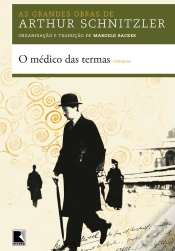
eBook10%O Médico Das TermasRecord08-20204,99€ 10% CARD
-
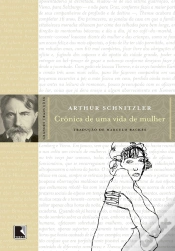
eBook10%Crônica De Uma Vida De MulherRecord08-20203,49€ 10% CARD
-
eBook10%Juventude Em VienaRecord07-20202,99€ 10% CARD
-
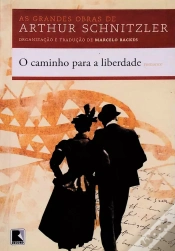
eBook10%O Caminho Para A LiberdadeRecord07-20203,99€ 10% CARD
-
eBook10%O Tenente GustlRecord07-20204,99€ 10% CARD