Amália Rodrigues
Amália Rodrigues é amplamente reconhecida como a Rainha do Fado e uma das mais icónicas e influentes cantoras da história da música portuguesa. Nascida a 23 de julho de 1920 em Lisboa, Portugal, Amália tornou-se a voz mais representativa do fado, o género musical que expressa as emoções mais profundas do povo português, como a saudade, a dor, o amor e a melancolia. A sua carreira, que se estendeu por mais de cinco décadas, deixou uma marca indelével não apenas em Portugal, mas também no mundo, tornando-a uma das artistas portuguesas mais conhecidas internacionalmente.
Amália Rodrigues cresceu em um ambiente humilde e desde cedo mostrou talento para a música. Começou a cantar em festas populares e feiras, e rapidamente foi descoberta por profissionais do fado que reconheceram o seu extraordinário talento. A sua estreia profissional aconteceu em 1939, e desde então, Amália começou a construir uma carreira que a levaria a se tornar uma das maiores vozes de Portugal.
Durante os anos 1940 e 1950, Amália Rodrigues começou a gravar discos e a fazer digressões internacionais, levando o fado a países como Brasil, França, e Estados Unidos. A sua voz única, com uma capacidade emocional e uma profundidade raras, aliada a uma presença de palco magnética, fez com que Amália se tornasse rapidamente uma estrela. Canções como "Povo que Lavas no Rio," "Estranha Forma de Vida," "Gaivota," e "Lágrima" tornaram-se não apenas sucessos, mas verdadeiros hinos do fado, muitas vezes associadas à alma portuguesa.
A versatilidade de Amália permitiu-lhe expandir o repertório tradicional do fado, incorporando elementos de outras formas musicais, como o folclore português, o flamenco, e até mesmo o jazz. Trabalhou com alguns dos maiores poetas portugueses, como David Mourão-Ferreira e Ary dos Santos, contribuindo para a elevação do fado como uma forma de arte respeitada. A sua habilidade para interpretar e dar vida às palavras tornou-a uma das mais grandes intérpretes de poesia cantada.
Amália Rodrigues não só conquistou corações em Portugal, mas também ganhou aclamação internacional. Em Paris, gravou discos que tiveram um grande sucesso em toda a Europa, e em Nova Iorque, a sua atuação no célebre Carnegie Hall, em 1952, consolidou a sua fama mundial. Ela era uma verdadeira embaixadora cultural de Portugal, levando a riqueza e a melancolia do fado a todos os cantos do mundo.
Ao longo da sua carreira, Amália gravou mais de 170 álbuns e vendeu milhões de discos, tornando-se uma das artistas mais prolíficas da sua época. Recebeu inúmeras distinções e prémios, tanto em Portugal como no estrangeiro, incluindo o grau de Grande-Oficial da Ordem do Infante D. Henrique e a Medalha de Mérito Cultural do Governo Português.
Amália continuou a atuar e a gravar até os seus últimos anos de vida, sempre com a mesma paixão e dedicação que marcaram o início da sua carreira. Mesmo após a sua morte, a 6 de outubro de 1999, em Lisboa, o seu legado perdura, e as suas canções continuam a ser ouvidas e amadas por novas gerações.
O impacto de Amália Rodrigues na cultura portuguesa é imensurável. Ela não apenas levou o fado para além das fronteiras de Portugal, mas também ajudou a definir e a moldar o que o fado é hoje. A sua voz poderosa e cheia de emoção, combinada com a sua habilidade de interpretar o fado de forma tão autêntica, fez dela uma figura central na história da música mundial.
Amália Rodrigues permanece uma lenda, a personificação do fado, e uma fonte de orgulho nacional para Portugal. A sua música, marcada por uma profundidade emocional que toca diretamente no coração, continua a ressoar, garantindo que o seu legado dure para sempre.
Amália Rodrigues cresceu em um ambiente humilde e desde cedo mostrou talento para a música. Começou a cantar em festas populares e feiras, e rapidamente foi descoberta por profissionais do fado que reconheceram o seu extraordinário talento. A sua estreia profissional aconteceu em 1939, e desde então, Amália começou a construir uma carreira que a levaria a se tornar uma das maiores vozes de Portugal.
Durante os anos 1940 e 1950, Amália Rodrigues começou a gravar discos e a fazer digressões internacionais, levando o fado a países como Brasil, França, e Estados Unidos. A sua voz única, com uma capacidade emocional e uma profundidade raras, aliada a uma presença de palco magnética, fez com que Amália se tornasse rapidamente uma estrela. Canções como "Povo que Lavas no Rio," "Estranha Forma de Vida," "Gaivota," e "Lágrima" tornaram-se não apenas sucessos, mas verdadeiros hinos do fado, muitas vezes associadas à alma portuguesa.
A versatilidade de Amália permitiu-lhe expandir o repertório tradicional do fado, incorporando elementos de outras formas musicais, como o folclore português, o flamenco, e até mesmo o jazz. Trabalhou com alguns dos maiores poetas portugueses, como David Mourão-Ferreira e Ary dos Santos, contribuindo para a elevação do fado como uma forma de arte respeitada. A sua habilidade para interpretar e dar vida às palavras tornou-a uma das mais grandes intérpretes de poesia cantada.
Amália Rodrigues não só conquistou corações em Portugal, mas também ganhou aclamação internacional. Em Paris, gravou discos que tiveram um grande sucesso em toda a Europa, e em Nova Iorque, a sua atuação no célebre Carnegie Hall, em 1952, consolidou a sua fama mundial. Ela era uma verdadeira embaixadora cultural de Portugal, levando a riqueza e a melancolia do fado a todos os cantos do mundo.
Ao longo da sua carreira, Amália gravou mais de 170 álbuns e vendeu milhões de discos, tornando-se uma das artistas mais prolíficas da sua época. Recebeu inúmeras distinções e prémios, tanto em Portugal como no estrangeiro, incluindo o grau de Grande-Oficial da Ordem do Infante D. Henrique e a Medalha de Mérito Cultural do Governo Português.
Amália continuou a atuar e a gravar até os seus últimos anos de vida, sempre com a mesma paixão e dedicação que marcaram o início da sua carreira. Mesmo após a sua morte, a 6 de outubro de 1999, em Lisboa, o seu legado perdura, e as suas canções continuam a ser ouvidas e amadas por novas gerações.
O impacto de Amália Rodrigues na cultura portuguesa é imensurável. Ela não apenas levou o fado para além das fronteiras de Portugal, mas também ajudou a definir e a moldar o que o fado é hoje. A sua voz poderosa e cheia de emoção, combinada com a sua habilidade de interpretar o fado de forma tão autêntica, fez dela uma figura central na história da música mundial.
Amália Rodrigues permanece uma lenda, a personificação do fado, e uma fonte de orgulho nacional para Portugal. A sua música, marcada por uma profundidade emocional que toca diretamente no coração, continua a ressoar, garantindo que o seu legado dure para sempre.
Bibliography
-
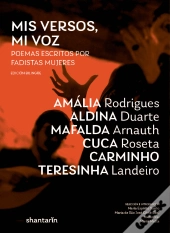
10%Mis Versos, Mi VozShantarin05-202616,20€
18,00€free shipping -
10%My Verse, My VoiceShantarin05-202616,20€
18,00€free shipping -
10%Poesie di Amália RodriguesDilúvio03-202617,01€
18,90€free shipping -
10%Poemas de Amália RodriguesDilúvio03-202614,31€
15,90€ -
10%Poems by Amália RodriguesDilúvio06-202318,90€ 10% CARDfree shipping
-
30%Amália nas suas palavrasPorto Editora11-202015,08€ 20% + 10% CARDfree shipping
-
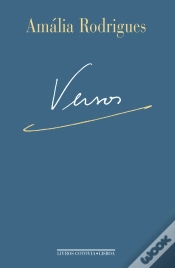
VersosCotovia05-201614,00€
-
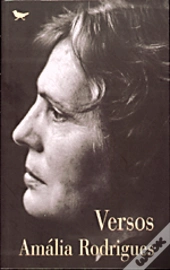
VersosCotovia04-199912,00€


Discography
-
10%Essential (Limited Edition) - VinilNew Continent10-202524,97€ 10% CARDfree shipping
-
imagem não disponívelQueen of Fado - Vinil10%Queen of Fado - VinilBellevue Publishing10-202528,37€ 10% CARDfree shipping
-
10%Gostava De Ser Quem Era - CDEdições Valentim de Carvalho01-202421,68€ 10% CARDfree shipping
-
10%O Melhor De Amália - CDPaís Real01-202414,80€ 10% CARD
-
10%The Abbey Road Sessions - VinilSoundsgood06-202331,45€ 10% CARDfree shipping
-
10%The Queen of Fado - VinilBellevue Publishing06-202323,63€ 10% CARDfree shipping
-
10%The Very Best of Amalia Rodrigues - VinilWaxtime03-202330,49€ 10% CARDfree shipping
-
10%The Very Best of Amalia Rodrigues - CDJackpot02-202322,39€ 10% CARDfree shipping
-
The Queen of Fado - VinilWagram08-202225,75€
-
10%Récitals Parisiens - VinilDiggers Factory06-202249,39€ 10% CARDfree shipping
-
10%Amália Rodrigues No Japão - CDEdições Valentim de Carvalho01-202219,52€ 10% CARDfree shipping
-
10%Busto - VinilNot Now Music04-202118,90€ 10% CARDfree shipping