Aleksandr Soljenítsin
PRÉMIO NOBEL DA LITERATURA 1970
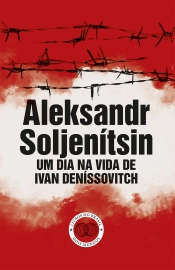
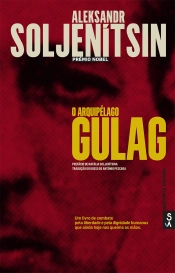
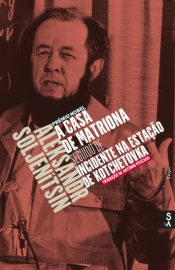
Aleksandr Soljenítsin nasceu em Kislovodsk, no Cáucaso, a 11 de novembro de 1918. Combateu na Segunda Guerra Mundial e esteve preso e internado em campos de trabalho forçado de 1945 a 1953, após críticas privadas a Estaline. Ilibado na sequência da «abertura» criada pelo famoso discurso de Krutchev denunciando os crimes estalinistas, foi professor e iniciou o seu percurso de escritor nos anos 50. Um Dia na Vida de Ivan Deníssovitch, classificado por Aleksandr Tvardovski, seu editor na revista Novy Mir, em 1962, como um «clássico», teve a sua publicação expressamente autorizada por Krutchev e foi estudado nas escolas. Mas a vida de escritor de Soljenítsin viria a ser atribulada e reprimida na sequência da recusa pela União dos Escritores da publicação de Pavilhão de Cancerosos e da atribuição do Prémio Nobel de Literatura em 1970. Pouco depois da publicação de O Arquipélago Gulag em Paris, em 1974, foi expulso da União Soviética, vivendo na Suíça, em França e nos Estados Unidos até à queda do Muro de Berlim, após o que regressou a Moscovo, em 1994, sendo recebido triunfalmente. Faleceu a 3 de agosto de 2008. As suas obras marcam indelevelmente a literatura russa do século xx, inserindo-se na grande tradição narrativa de nomes como Tchékhov, Tolstói e Dostoiévski.
Aleksandr Soljenítsin nasceu em Kislovodsk, no Cáucaso, a 11 de novembro de 1918. Combateu na Segunda Guerra Mundial e esteve preso e internado em campos de trabalho forçado de 1945 a 1953, após críticas privadas a Estaline. Ilibado na sequência da «abertura» criada pelo famoso discurso de Krutchev denunciando os crimes estalinistas, foi professor e iniciou o seu percurso de escritor nos anos 50. Um Dia na Vida de Ivan Deníssovitch, classificado por Aleksandr Tvardovski, seu editor na revista Novy Mir, em 1962, como um «clássico», teve a sua publicação expressamente autorizada por Krutchev e foi estudado nas escolas. Mas a vida de escritor de Soljenítsin viria a ser atribulada e reprimida na sequência da recusa pela União dos Escritores da publicação de Pavilhão de Cancerosos e da atribuição do Prémio Nobel de Literatura em 1970. Pouco depois da publicação de O Arquipélago Gulag em Paris, em 1974, foi expulso da União Soviética, vivendo na Suíça, em França e nos Estados Unidos até à queda do Muro de Berlim, após o que regressou a Moscovo, em 1994, sendo recebido triunfalmente. Faleceu a 3 de agosto de 2008. As suas obras marcam indelevelmente a literatura russa do século xx, inserindo-se na grande tradição narrativa de nomes como Tchékhov, Tolstói e Dostoiévski.
Bibliography
-
eBook40%Um Dia na Vida de Ivan DeníssovitchLivros do Brasil04-20227,69€ 30% + 10% CARD
-
eBook50%O Arquipélago GulagSextante Editora (chancela)04-201711,99€ 40% + 10% CARD
-
eBook50%A casa de MatrionaSextante Editora (chancela)11-20136,59€ 40% + 10% CARD