



adicionar à lista de desejos

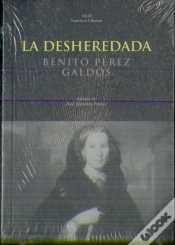
Trafalgar eBook
Editor:
Max Bollinger, abril de 2021 ‧
ver detalhes do produto
6,33€
10% DESCONTO
CARTÃO
VnpRNFZsaENPV2xQZVM5cloyMUNTamN6U0RWVGNYbHVTRXRYZERoNU9WTTRVV2hsY1Vab2RsZFpkWFIxUnpOWlptVnRaRkI1ZGxkR2NrMVFSMVJEU0U1aGVYZ3hja3BXZFVodFltZG5lSFZVWkVkek9XNXpaalZPY2t0Q1pGazFRVFl3WXpJMVNuVXdWako0WnpsbFpsVlRjMkZzYm5WUFMxQXpjbTlXUjFadk1ETlhkSGRRT0ZaU1NHeERVVE5vZGxab0sxRXZMMVExZFZjM2FGbDNTSEoyT0d3MWEyWnJVMlJFV0hwWmEyUXdSblZqWVRGWldYQnBhbXhTTTFobFFubGllbkIzUlVkelJGTnhZV3g1TVVGVGRVeG1NRFJNUTB4UFVqRk1ZamRtZGxGSmVFSnBNVlpVV0ZkcmJsTnVaWFpUV2tJMVRrUllhUzlUWkc5aVR6TkZSM0o1YlhSWFRHeEJiR3BqZEVaak1XbHNOazVJUzNvM1pubE5RVTR5UVc0eFNDc3dLMHhPUTAwM1pFTkZUbFozTVdJMU1YZDJRVEo1UTNKaldXcE5NbXhOUTJSMkwzbHVUSFpTUWxWTWJrOUhjVXRoV0hSNWQyMWFWalZRU0ZSeWVGRkJZVWxDUjFFemRuQjVMM2RaTDA1VU9VSm1TSHBLWkd4VksyOW1PRkV5Ykhwd1IzaGhOMWRuY2t0RmRrSjNPR041VmtGdWFqQmFUVlZqU25walYyWndSSE5HUm1obU9GTm5kalJhYUZwSWMzVlFWVU5uU0dkalpIVTFUMUF5TUdkblRVVTRXa1E1UW14V01ESXdibXd2TmtaTFRGbHJNek5hY0RoV2NtdEdWbFJUYzNreFZVNVZhMDgwWmpsNk5USXliVFJSWkc1TWRrcDZaRGcyVGsxaWQzaG9jSEF3TWxKSWRYTjBVVEJ3VDFSYVluaHhlbkZWWm5sSFprdzFSRk5ZUldZeVEzazJjbGs0VUZaQ2FqTlJZMWw1TUhkR1JtSklaV00xZFV0SFZqZE9jR0oxWVc5RU9UbHFWMEl2TWtwdldHWnRNblZvYjNCc2JFSlFSMjAyVEVkbGNFSTROMk5oUTFsck5tZFhiV3hYY0hOeFJFbGpRbFUzT1RCc2MwZFdSemQxZFdoVlFrOTFXR2hRWVU5TmJtWjVZbmxQYUdjdmNqbGlPVFExUmxsRmFsRnZSV1ZRWldKM1FXTmFPWEJHWjNnd2RFeHhkRU5OV2pKbE0yaHVaMjVEYUVoS2RGSkpNa2xRZFhwallsRjBVMDFNTWk5WWNTdERiVGgwVVVSVEwxUTFWeTg0UFE9PTp3UUsyYnMzUTNmK3I5ZnhZWTlWcVVRPT0=
DISPONIBILIDADE IMEDIATA
Ebook para ADE
SINOPSE
Eager to imitate the great things of men, the boys also made our squads, with small ships, roughly carved, to which we put paper or cloth sails, marinating them with great determination and seriousness in any puddle in Puntales or La Caleta. So that everything was complete, when a room came into our hands through any of the industrial routes that were ours, we bought gunpowder at the house of Aunt Coscoja on Calle del Torno de Santa Maria, and with this ingredient we would have a complete naval party . Our fleets threw themselves into the wind in oceans three yards wide; they shot their pieces of cane; They collided imitating bloody boardings, in which their imaginary crew fought with glory; the smoke covered them, revealing the flags, made with the first colored cloth found in the trash cans; and while we danced with rejoicing on the coast, to the roar of artillery, imagining ourselves to be the nations to which those ships belonged, and believing that in the world of men and great things, the nations would dance the same, witnessing victory. Of his beloved squads. Boys see everything in a unique way.
DETALHES
| Propriedade | Descrição |
|---|---|
| ISBN: | 9781787363021 |
| Editor: | Max Bollinger |
| Data de Lançamento: | abril de 2021 |
| Páginas: | 152 |
| Tipo de produto: | eBook |
| Formato e Compatibilidade: | |
| Classificação Temática: |
eBooks em Inglês
>
Outros
|
| EAN: | 9781787363021 |
| Acessibilidade: | Ver características de acessibilidade indicadas pelo editor |
SOBRE O AUTOR
Benito Pérez Galdós
Benito Pérez Galdós nasceu em 10 de maio de 1843, em Las Palmas, nas ilhas Canárias, e é considerado o maior romancista espanhol desde Miguel de Cervantes.
Filho de militar, mudou-se, em 1862, para Madrid a fim de estudar Direito, tendo aí frequentado as reuniões do Ateneu e os cafés Fornos e Suizo, onde se relacionou com os intelectuais e artistas da época, começando a escrever para os jornais La Nación e El Debate. Em 1868, abandonou os estudos para se dedicar inteiramente à escrita. Viajou pela Europa, familiarizando-se com as tendências literárias da época, como o realismo e o naturalismo.
A sua prolífica obra, tanto em romances como em peças de teatro, foi marcada pelo realismo, refletindo a sua preocupação com os problemas políticos e sociais da época, como o seu percurso político de tendência progressista e anticlerical também demonstra. Galdós chegou mesmo a ser deputado, entre 1886 e 1890, na ala liberal, e, em 1907 e 1910, como republicano.
Comparado a Honoré de Balzac e Charles Dickens, tornou-se membro da Real Academia em 1897 e foi nomeado para o Prémio Nobel em 1912.
Faleceu em 4 de janeiro de 1920, em Madrid.
DO MESMO AUTOR
-
Tristana10%Editora Guerra & Paz13,50€
15,00€ -
Cantabria30%CASIMIRO5,71€
8,15€